Comparison of Antiscalant Dosing and Ion Exchange Softener Systems
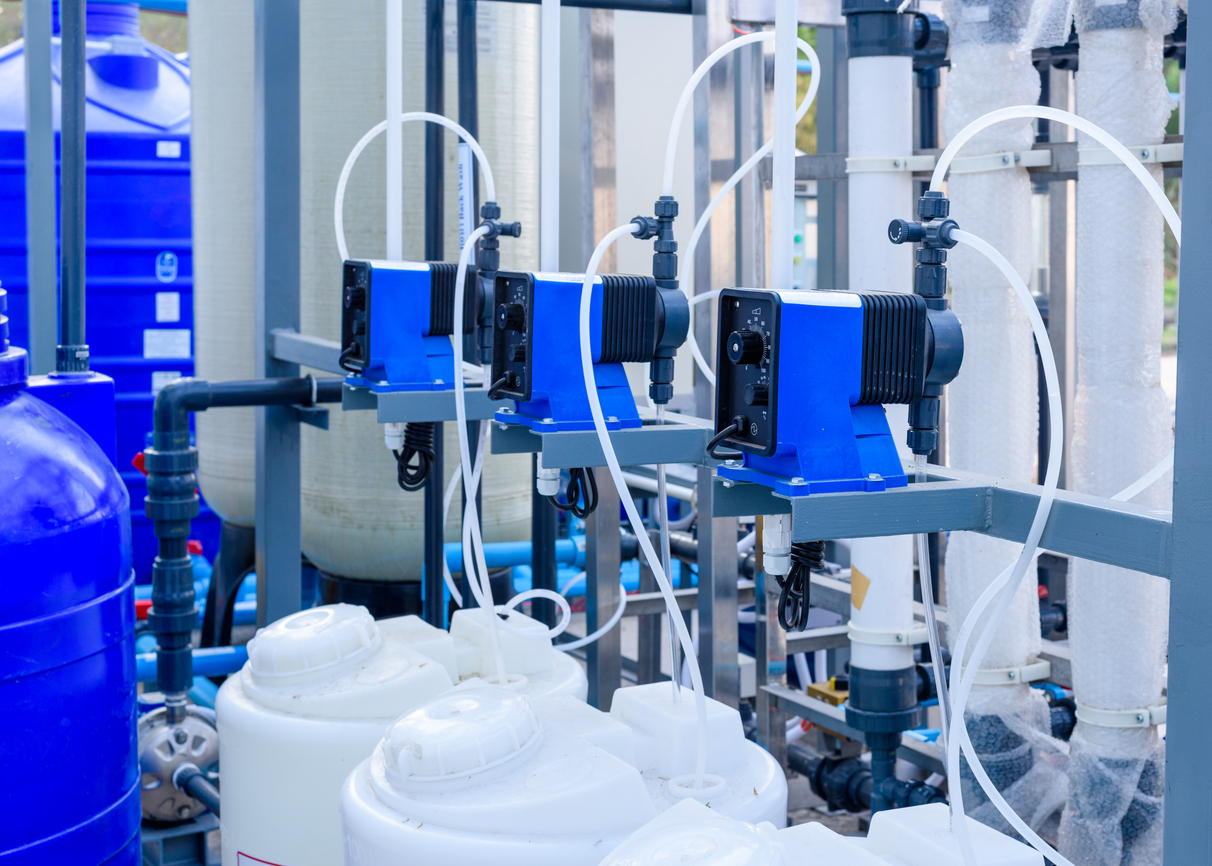
Antiscalant Dosing Systems
Antiscalant dosing systems are designed to prevent scale formation by injecting chemical agents that inhibit the crystallization of scale-forming minerals like calcium and magnesium. These systems are commonly used in reverse osmosis (RO) applications to protect membranes and enhance system performance without altering water chemistry.
Ion Exchange Softener Systems
Ion exchange softeners remove hardness-causing minerals by exchanging calcium and magnesium ions with sodium or potassium ions. This process reduces water hardness, preventing scale buildup in plumbing and appliances, making it ideal for residential, commercial, and industrial applications.
Key Differences
- Scale Prevention: Antiscalants prevent scale formation without changing water composition, while ion exchange softeners remove hardness minerals entirely.
- Chemical Use: Antiscalant dosing involves the continuous addition of chemicals, whereas ion exchange softeners rely on periodic resin regeneration.
- Application Scope: Antiscalants are mainly used in RO systems, while ion exchange softeners are versatile across various applications.
Applications
- Antiscalant Dosing: RO systems, industrial processes, and high-purity water applications.
- Ion Exchange Softener: Residential, commercial, and industrial water softening.
Benefits of Each System
- Antiscalant Dosing: Extends membrane life and reduces maintenance costs in RO systems.
- Ion Exchange Softener: Provides comprehensive hardness removal, enhancing water quality for multiple uses.
Choosing the Right System
The choice between antiscalant dosing and ion exchange softening depends on your specific water treatment needs. Antiscalants are best for protecting RO systems, while ion exchange softeners offer broad-scale hardness removal.
Mueller Water Solutions
Mueller Water offers tailored solutions incorporating both antiscalant dosing and ion exchange softening technologies. Whether you need to protect your RO system or soften water for various applications, our experts can design the ideal system for your requirements.
Contact Us
For expert advice on selecting the right water solution, contact Mueller Water today. Let us help you achieve optimal water quality for your needs.
Frequently Asked Questions
What is antiscalant dosing and when is it used?
When should I choose ion exchange softening over antiscalant dosing?
Which is more cost-effective long-term?
Can I use both methods together?
Recommended Mueller Products: