Rainwater Treatment
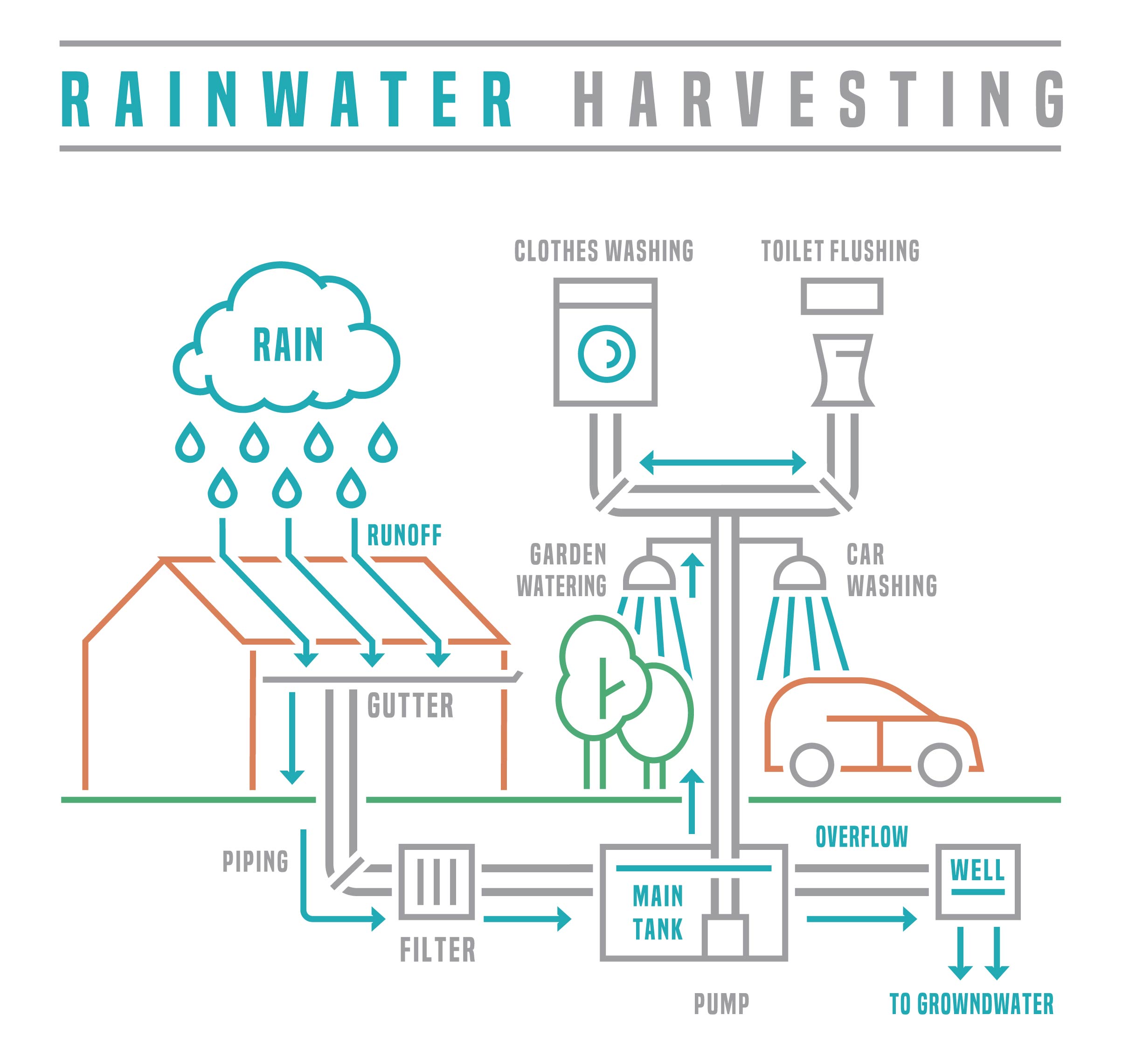
Understanding Rainwater Contaminants
Rainwater is a valuable natural resource that can be collected for potable and non-potable uses, reducing dependence on municipal water supplies. However, rainwater can contain dust, pollen, bacteria, organic debris, heavy metals, and chemical pollutants from the atmosphere, rooftops, and collection surfaces. Proper rainwater treatment ensures safe, clean water for residential, commercial, industrial, and agricultural applications.
Solutions for Rainwater Treatment
- Filtration Systems: Removes leaves, dirt, sediment, and particulate matter.
- Activated Carbon Filtration: Adsorbs organic compounds, chlorine, and pollutants that affect taste and odor.
- Reverse Osmosis (RO): Removes dissolved salts, heavy metals, and bacteria for high-purity rainwater.
- Ultrafiltration (UF): A membrane-based technology that removes bacteria, viruses, and fine particulates.
- Disinfection Systems: Uses UV, ozone, or chlorination to eliminate harmful pathogens.
- Coagulation & Sedimentation: Helps aggregate fine particles and improve water clarity.
Applications
Rainwater treatment is essential for:
- Residential & Commercial Use: Safe drinking water, laundry, and plumbing applications.
- Irrigation & Agriculture: Providing clean water for crops and livestock.
- Industrial Facilities: Process water, cooling systems, and boiler feedwater.
- Stormwater Management: Reducing runoff and supporting sustainable water reuse.
Benefits of Rainwater Treatment
- Reduces Water Costs: Minimizes reliance on municipal or well water.
- Improves Water Quality: Removes contaminants for safe and clean use.
- Supports Sustainability: Promotes efficient water use and conservation.
- Protects Equipment & Plumbing: Prevents scale buildup and corrosion.
- Enhances Self-Sufficiency: Provides a reliable alternative water source.
Mueller Water Solutions
Mueller Water provides customized rainwater treatment solutions, ensuring clean, safe, and efficient water for a variety of applications. Our advanced filtration, purification, and disinfection technologies help optimize rainwater harvesting and reuse.
Contact Us
For expert rainwater treatment solutions, contact Mueller Water today. Our team is ready to assist with tailored systems for residential, commercial, and industrial applications.