Industrial Activated Carbon Water Filters
Industrial and commercial activated carbon water filters remove chlorine, chloramine, VOCs, taste, and odor by adsorbing them onto granular activated carbon (GAC). Mueller Water engineers GAC and catalytic-carbon systems for manufacturing, food and beverage, breweries, ice plants, and municipal water across Texas, with media-life monitoring built into service.
Advanced Filtration for Industrial Water Treatment
Industrial processes demand high-quality water, free from organic contaminants, chlorine, volatile organic compounds (VOCs), and unpleasant odors and tastes. Industrial Activated Carbon Water Filters effectively remove these impurities, providing clean, safe, and high-performing water for a wide range of applications. Mueller Water’s activated carbon filtration systems are designed to meet the rigorous demands of industrial, commercial, and municipal water treatment needs.
How Activated Carbon Filtration Works
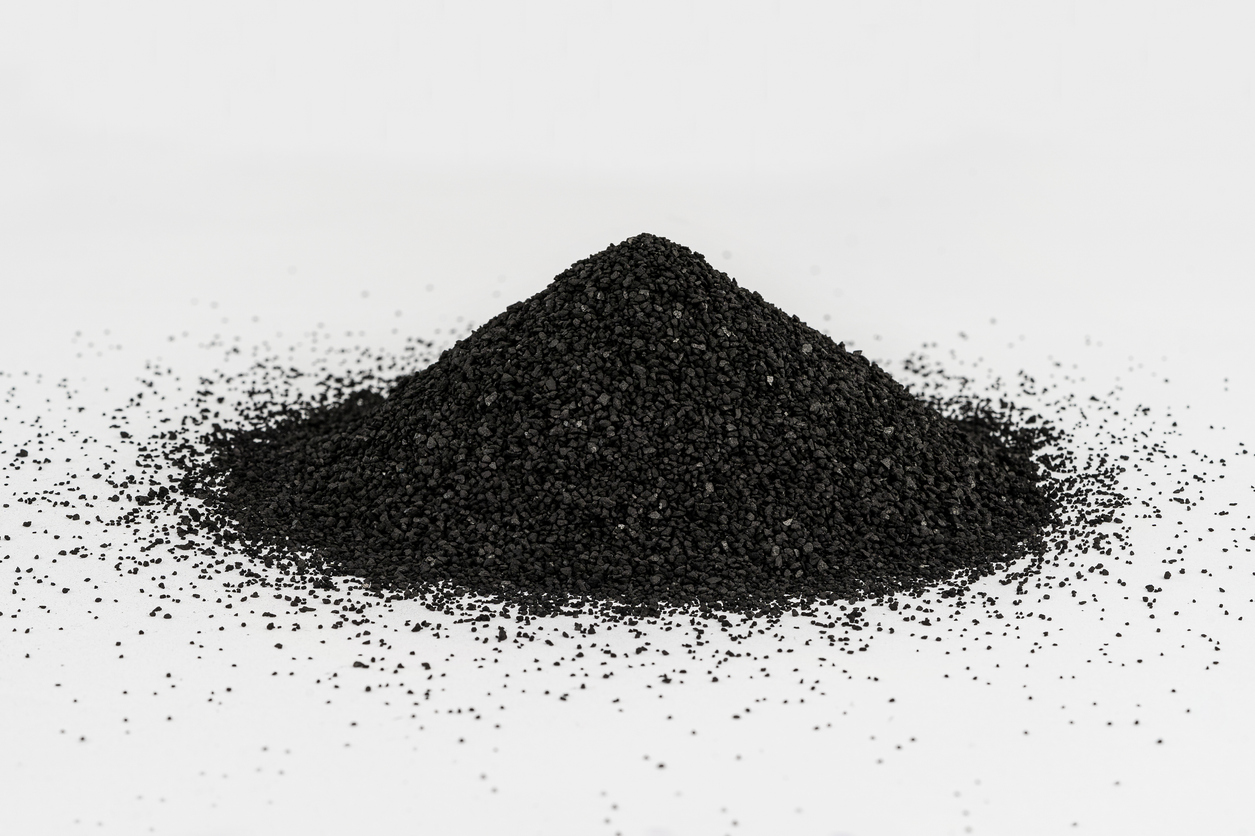
Activated carbon works through adsorption, a process where contaminants adhere to the surface of the carbon media, effectively removing impurities from water. These systems utilize high-quality granular activated carbon (GAC) or powdered activated carbon (PAC) to target and eliminate a variety of pollutants.
Key Contaminants Removed
- Chlorine & Chloramines: Eliminates residual disinfectants that can cause equipment damage.
- Volatile Organic Compounds (VOCs): Removes harmful industrial pollutants.
- Herbicides & Pesticides: Filters agricultural runoff and chemical contaminants.
- Heavy Metals: Reduces lead, mercury, and other toxic metals in water supplies.
- Unpleasant Odors & Tastes: Improves water quality for industrial and commercial use.
- PFAS & Emerging Contaminants: Addresses modern water treatment challenges.
Industrial Applications
Activated carbon water filters are essential in:
- Manufacturing & Processing: Provides purified water for industrial production.
- Food & Beverage Industry: Ensures safe water for processing, bottling, and ingredient purification.
- Pharmaceutical & Healthcare: Produces ultra-clean water for medical applications.
- Power Plants & Cooling Towers: Prevents scaling and corrosion in cooling systems.
- Municipal Water Treatment: Enhances drinking water quality by removing chlorine, VOCs, and odors.
- Wastewater Treatment & Recycling: Supports sustainable water reuse by filtering contaminants.
Benefits of Industrial Activated Carbon Water Filters
- Effective Contaminant Removal: Eliminates a wide range of organic and chemical pollutants.
- Improved Water Taste & Odor: Removes chlorine and unpleasant compounds for better water quality.
- Cost-Effective Filtration: Provides a reliable, low-maintenance solution for industrial water treatment.
- Protects Equipment & Processes: Reduces chemical damage and fouling in water systems.
- Environmental Sustainability: Supports water recycling and reduces reliance on chemical treatments.
Mueller Water Solutions
Mueller Water offers custom-engineered industrial activated carbon filtration systems, designed for high-efficiency contaminant removal. Our solutions ensure compliance with industrial water standards while optimizing performance for manufacturing, municipal, and commercial applications.
Contact Us
For expert industrial activated carbon water filter solutions, contact Mueller Water today. Our team is ready to design a filtration system tailored to your water treatment needs.
Frequently Asked Questions
How does activated carbon filtration work?
What contaminants does activated carbon remove?
What is the difference between GAC and PAC?
How long does industrial activated carbon last before replacement?
Recommended Mueller Products: