Comparison of Reverse Osmosis (RO) and Nanofiltration (NF) Systems
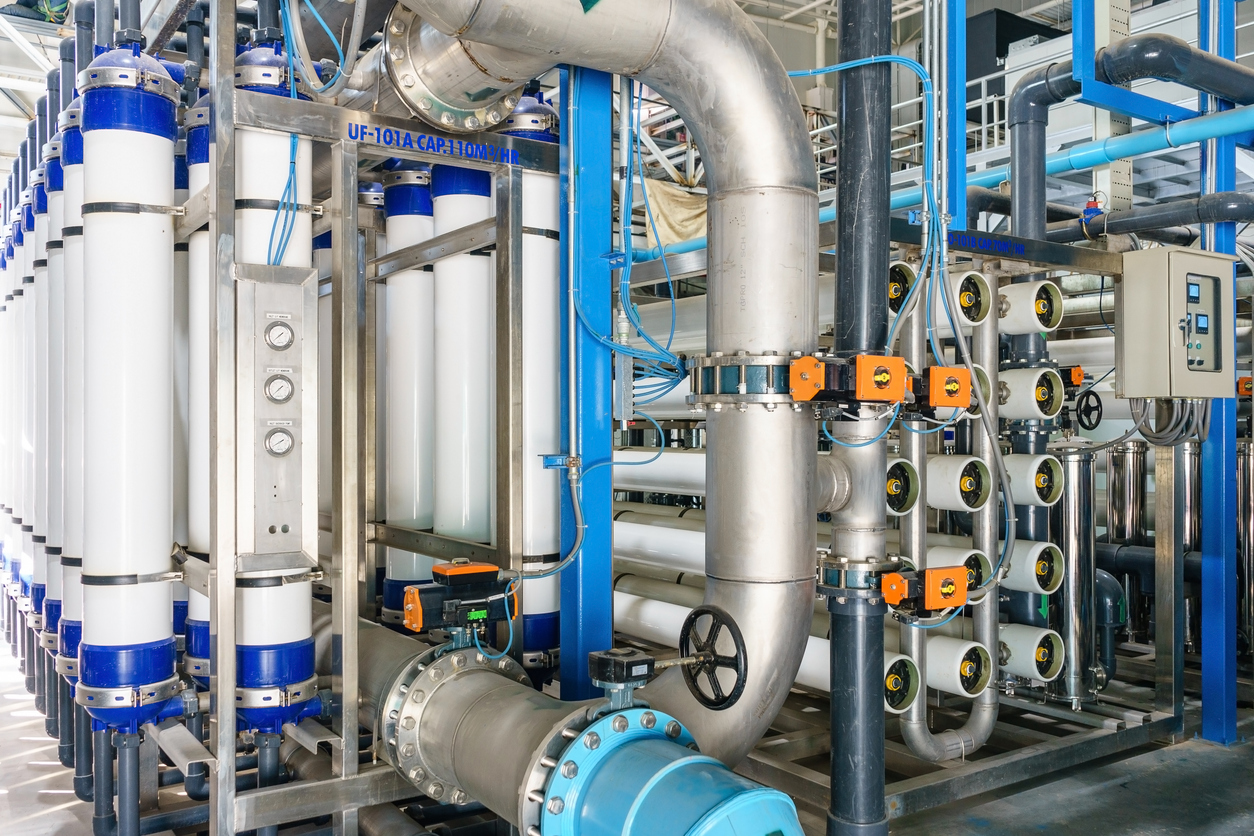
Reverse Osmosis (RO) Systems
RO systems use a semi-permeable membrane to remove a broad range of contaminants, including salts, minerals, and organic molecules. RO is ideal for applications requiring high-purity water, such as desalination, drinking water, and industrial processes. It effectively reduces Total Dissolved Solids (TDS), bacteria, and viruses.
Nanofiltration (NF) Systems
NF systems also use a semi-permeable membrane but are designed to remove specific contaminants, primarily divalent ions like calcium and magnesium, while allowing some monovalent ions to pass through. NF is ideal for applications requiring partial softening or the removal of organic compounds, such as in food processing or wastewater treatment.
Key Differences
- Contaminant Removal: RO provides more comprehensive contaminant removal than NF, making it suitable for applications requiring higher water purity.
- Water Recovery: NF generally offers higher water recovery rates than RO due to its lower rejection of monovalent ions.
- Energy Usage: RO typically requires more energy due to the higher pressure needed to push water through its dense membrane.
Applications
- RO: Desalination, industrial water treatment, and potable water production.
- NF: Softening, partial desalination, and organic compound removal.
Benefits of Each System
- RO: Produces ultra-pure water, ideal for sensitive applications.
- NF: Offers cost-effective water softening with lower energy consumption.
Choosing the Right System
Selecting between RO and NF depends on the specific water quality requirements of your application. RO is ideal for complete purification, while NF is better suited for selective ion removal and softening.
Mueller Water Solutions
Mueller Water provides tailored solutions featuring both RO and NF technologies. Whether you need ultra-pure water or specialized contaminant removal, our experts can design the ideal system for your needs.
Contact Us
For expert advice on selecting between Reverse Osmosis and Nanofiltration, contact Mueller Water today. Our team is ready to help you choose the best solution for your water treatment needs.
Frequently Asked Questions
What is the technical difference between reverse osmosis and nanofiltration?
Which is more energy-efficient?
When should I choose RO over NF?
When should I choose NF over RO?
Recommended Mueller Products: