Power & Energy Water Treatment Solutions

Water quality is essential in the power and energy industry to prevent scaling, corrosion, and inefficiencies in critical systems like boilers, turbines, and cooling systems. Mueller Water delivers advanced water treatment solutions, including reverse osmosis, filtration, and condensate polishing systems, tailored to the rigorous demands of this sector. Our comprehensive services ensure consistent delivery of high-purity water, maximizing efficiency and minimizing maintenance costs.
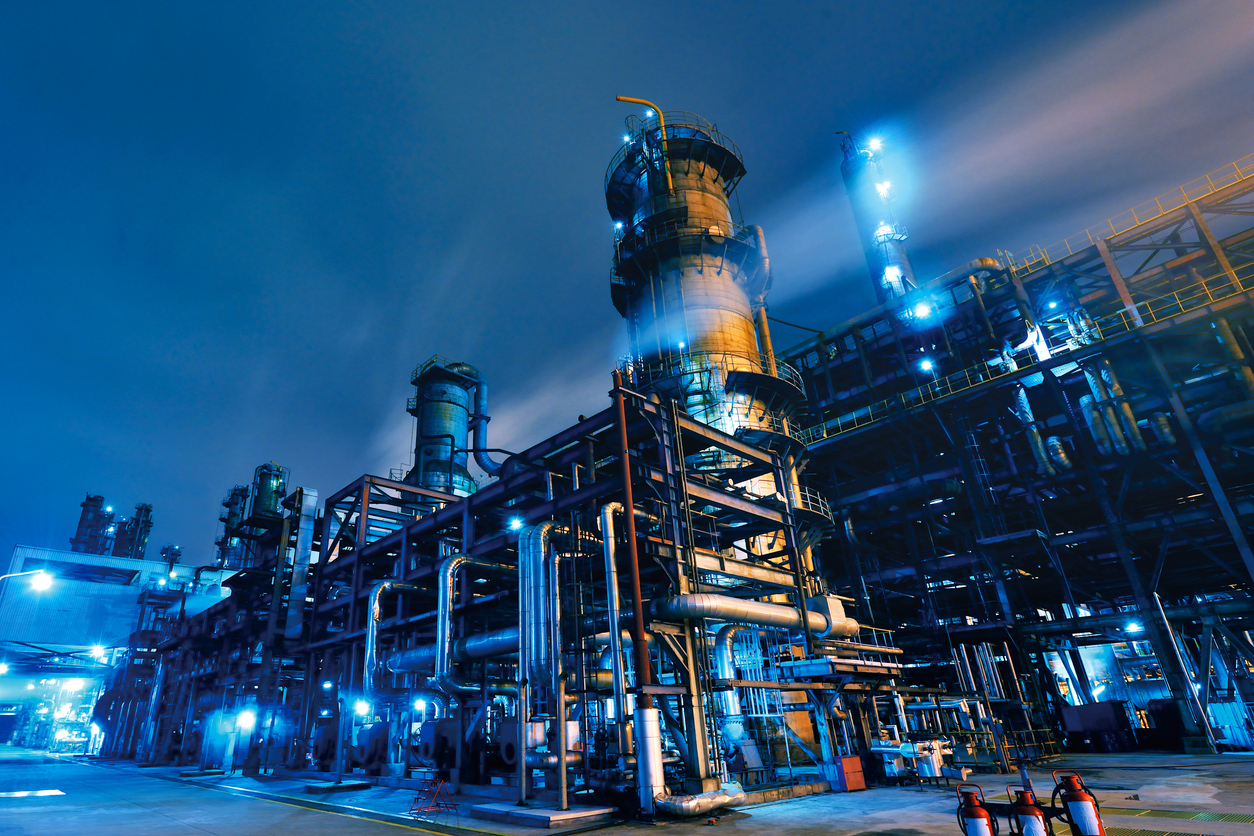
Power and energy water treatment systems

Applications

  • Boiler Feedwater: Prevents scale and corrosion, improving energy efficiency.
  • Cooling Towers: Reduces mineral deposits, protecting equipment and reducing downtime.
  • Turbine Protection: Ensures high-purity water, preventing erosion and prolonging equipment life.
  • Condensate Polishing Systems: Enhances the purity of returned condensate, reducing corrosion and extending system life.

Benefits of Treatment

  • Enhanced operational efficiency
  • Reduced maintenance and repair costs
  • Prolonged equipment life

Mueller Water Solutions

Mueller Water provides customized solutions for the power and energy industry, utilizing cutting-edge technology to ensure water purity and system reliability. Our expert team designs, installs, and maintains systems that meet your specific needs, ensuring peak performance and compliance with industry standards.

Contact Us

For expert water treatment solutions tailored to your power and energy needs, contact Mueller Water today. We are here to help you optimize your operations with the highest quality water solutions.

Frequently Asked Questions

How is water used in power generation?
Water is fundamental to almost every form of power generation. Steam-cycle plants (coal, nuclear, natural gas combined-cycle) use water as the working fluid — high-purity water generates steam that turns turbines. Cooling water (open-loop or cooling tower) removes waste heat from condensers — typically the largest water-volume use. FGD scrubber water (flue gas desulfurization) controls SO₂ emissions in coal plants. Process water for ash handling, demineralizer regeneration, and equipment washing. A typical 500 MW thermal plant uses 5–15 million gallons of water per day.
What water purity is needed for boiler feedwater in power plants?
Specifications scale dramatically with boiler pressure. Subcritical boilers (under 2,400 psi): cation conductivity below 0.2 μS/cm, silica below 20 ppb, dissolved oxygen below 7 ppb. Supercritical and ultra-supercritical (above 3,200 psi): cation conductivity below 0.15 μS/cm, silica below 10 ppb, sodium below 3 ppb. Heat recovery steam generators (HRSGs) in combined-cycle plants typically follow EPRI guidelines or boiler-OEM specs. Achieving these targets requires multi-stage demineralization plus condensate polishing.
What is condensate polishing and why is it important?
Condensate polishing is the high-purity ion exchange treatment of returning steam condensate before it re-enters the boiler. Even in well-maintained systems, condensate picks up trace contaminants from condenser leaks (cooling water in-leakage), boiler chemistry, and corrosion products. A condensate polisher (usually mixed-bed deionization) removes these contaminants, allowing 100% condensate return to the boiler instead of partial blowdown. This dramatically reduces makeup water demand, treatment chemicals, and waste discharge — typical savings exceed $500K annually for a single utility-scale unit.
How are cooling tower systems treated in power plants?
Power plant cooling towers are some of the largest water systems anywhere — a single tower can circulate millions of gallons per minute. Treatment includes: scale and corrosion inhibitors (phosphonates, polymers, zinc compounds); biocides on a rotation schedule (oxidizing like chlorine plus non-oxidizing like isothiazolinones); side-stream filtration (sand filters or hydrocyclones) for suspended solids; blowdown control via conductivity sensors maintaining target cycles of concentration. Many plants use reclaimed wastewater as cooling tower makeup to reduce freshwater consumption.
Contact Us