Green Sand Filters
Greensand filters remove iron, manganese, and hydrogen sulfide (H2S) in a single vessel by oxidizing them onto a manganese-dioxide-coated media that is periodically regenerated with potassium permanganate. Mueller Water designs municipal, industrial, and commercial manganese greensand systems for well and surface water across Texas.
Efficient Iron, Manganese, and Hydrogen Sulfide Removal
Green sand filters are a highly effective water treatment solution for removing iron, manganese, and hydrogen sulfide from water supplies. These contaminants can cause staining, unpleasant odors, and equipment scaling, impacting industrial, commercial, and municipal operations. Mueller Water’s Green Sand Filters provide a cost-effective and reliable method to ensure clean, high-quality water.
How Green Sand Filtration Works
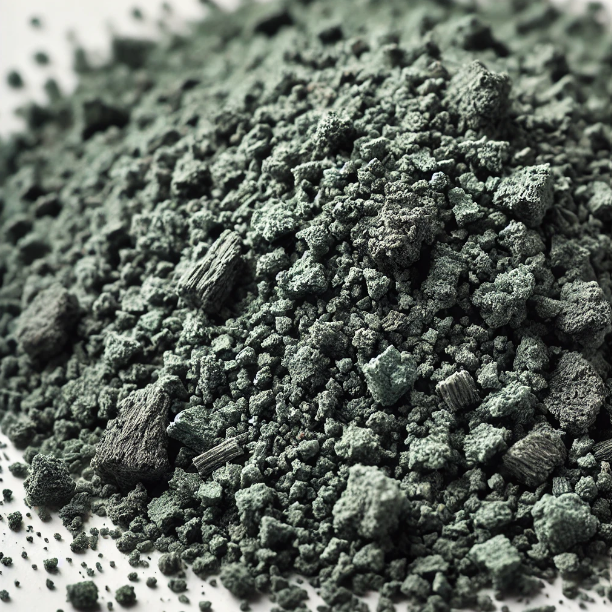
Green sand filters use a specialized manganese greensand media — historically a glauconite base coated with manganese dioxide (MnO₂), and in modern systems an MnO₂-coated silica or synthetic media. The MnO₂ coating oxidizes dissolved iron, manganese, and hydrogen sulfide on contact, converting them into insoluble particles that are trapped within the bed. The media is periodically regenerated with potassium permanganate to restore its oxidizing coating, making it a long-lasting and effective solution for contaminant removal.
Key Contaminants Removed
- Iron (Fe): Eliminates iron buildup, preventing rust stains and clogged pipes.
- Manganese (Mn): Removes manganese deposits that cause dark stains and water discoloration.
- Hydrogen Sulfide (H₂S): Eliminates "rotten egg" odors from water.
- Turbidity & Sediment: Enhances overall water clarity.
One Filter for Iron, Manganese, and H₂S
The biggest advantage of a manganese greensand filter is that it handles three of the most common well-water problems — iron, manganese, and hydrogen sulfide (H₂S) — in a single vessel. The MnO₂-coated media oxidizes all three on contact, so one backwashing filter does the work that would otherwise require separate iron, manganese, and odor-removal stages. That makes greensand the most cost-effective choice when a water analysis shows more than one of these contaminants together, which is common in Texas groundwater. See also our iron removal, manganese removal, and H₂S removal pages.
Applications of Green Sand Filters
Mueller Water’s Green Sand Filters are widely used in:
- Municipal Water Treatment: Ensures compliance with drinking water standards.
- Industrial Water Filtration: Protects boilers, cooling towers, and manufacturing processes from iron and manganese buildup.
- Food & Beverage Processing: Removes metallic tastes and odors from water used in production.
- Agriculture & Irrigation: Prevents clogging of irrigation systems and improves water quality for crops.
- Groundwater Treatment: Addresses high iron and manganese levels in well water.
Benefits of Green Sand Filters
- Highly Effective Filtration: Removes iron, manganese, and hydrogen sulfide efficiently.
- Improves Water Quality: Eliminates unpleasant odors, stains, and discoloration.
- Extends Equipment Life: Prevents scaling and clogging in pipes, valves, and water systems.
- Low Maintenance: Long-lasting filter media with easy regeneration process.
- Cost-Effective Solution: Provides a reliable and affordable method for contaminant removal.
Mueller Water Solutions
Mueller Water specializes in providing custom-engineered Green Sand Filtration Systems designed to meet the demands of municipal, industrial, and commercial water treatment applications. Our systems ensure consistent performance, regulatory compliance, and long-term reliability.
Contact Us
For expert Green Sand Filter solutions, contact Mueller Water today. Our team is ready to design a system tailored to your water treatment needs.
Frequently Asked Questions
What is greensand and how does it filter water?
What contaminants do greensand filters remove?
How often does greensand need to be regenerated?
When is greensand the right choice over other iron/manganese treatments?
Recommended Mueller Products: