Algae Removal from Water
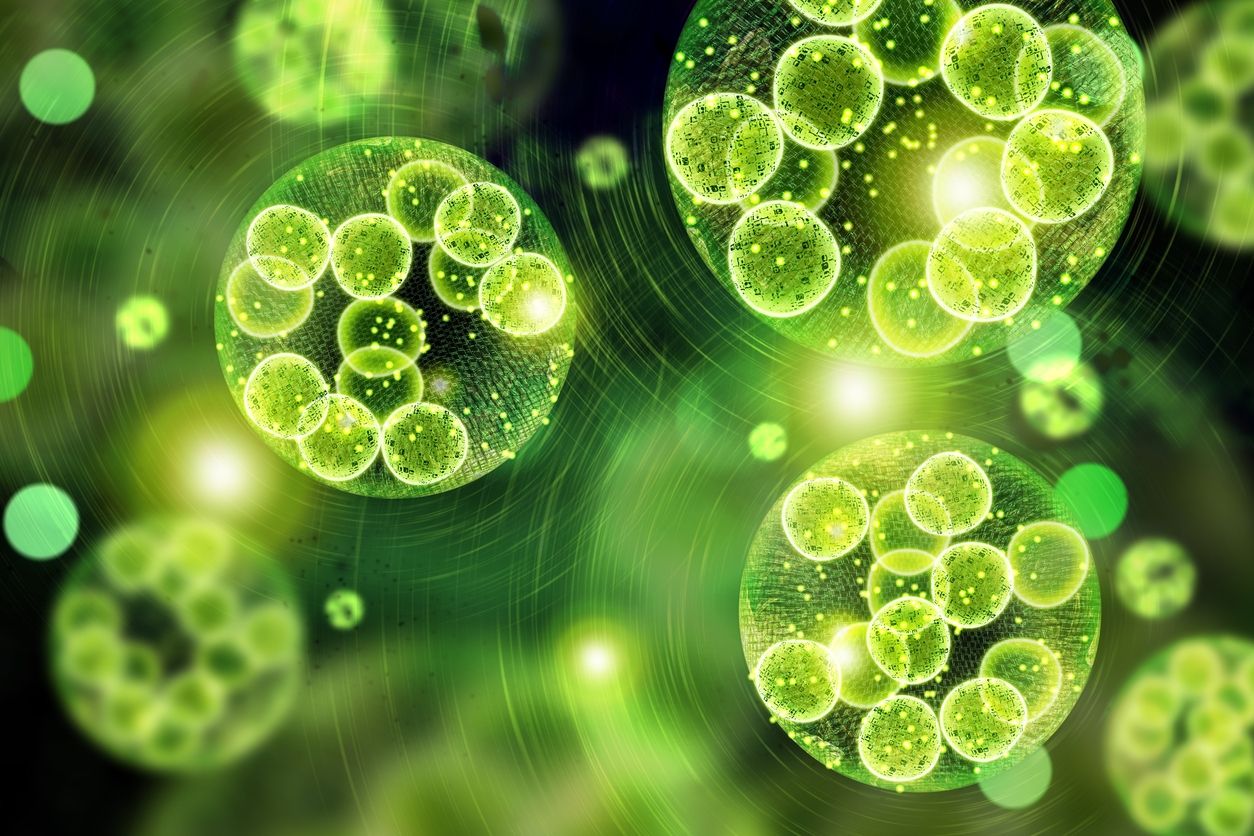
Algae bloom on the surface of a contaminated water reservoir

Understanding the Contaminant

Algae are microorganisms that thrive in nutrient-rich water, often due to agricultural runoff, wastewater discharge, and stagnant conditions. Algal blooms can lead to unpleasant odors, taste issues, and even harmful toxins, compromising water quality.

Impacts of Algal Blooms on Water

Algal blooms can severely impact water systems by reducing oxygen levels, leading to fish kills, clogging filtration systems, and producing toxins that make water unsafe for human consumption.

Solutions for Removal

  • UV Disinfection: Kills algae without chemicals.
  • Filtration Systems: Removes suspended algae particles.
  • Chemical Treatment: Uses algaecides to control algae growth.

Applications

Essential in residential, commercial, and industrial systems where algae presence is common.

Benefits of Removal

  • Enhances water clarity and taste
  • Reduces health risks from harmful toxins
  • Protects plumbing systems from blockages

Mueller Water Solutions

Mueller Water offers customized algae removal solutions, including UV disinfection, filtration, and chemical treatments, ensuring clean and safe water.

Contact Us

For expert algae removal, contact Mueller Water today. Our team is ready to design a tailored solution for your water treatment needs.

Frequently Asked Questions

What causes algae growth in water?
Algae thrive in nutrient-rich water with high levels of nitrogen and phosphorus, typically from agricultural runoff (fertilizers, manure), wastewater discharge, and stagnant warm conditions. Sunlight exposure accelerates growth, so open reservoirs, ponds, and shallow surface water sources are most vulnerable. Climate change and warming surface temperatures have made algal blooms more frequent and severe.
Are algal blooms dangerous?
Yes — harmful algal blooms (HABs) produce cyanotoxins (microcystins, anatoxins) that can cause liver damage, neurological symptoms, and death in severe cases. Even non-toxic algae degrade water quality, deplete dissolved oxygen (causing fish kills), produce off-tastes and odors, and clog water-treatment infrastructure. EPA monitors HAB events and issues "do not drink" advisories during severe outbreaks.
How is algae removed from water?
Three primary methods: UV Disinfection destroys algae cells without chemicals; Filtration Systems physically remove suspended algae particles (typically multi-stage with pre-filters, sand, and activated carbon); Chemical Treatment uses algaecides like copper sulfate or hydrogen peroxide to control growth. Most facilities combine prevention (nutrient reduction) with active treatment (UV + filtration) for a layered defense.
How can algae problems be prevented?
Source control is the most effective long-term strategy: reducing nitrogen and phosphorus inputs upstream (agricultural buffer zones, wastewater treatment improvements), aerating ponds and reservoirs to maintain dissolved oxygen, controlling sunlight exposure with shade or aquatic dyes, and routine monitoring of nutrient levels. For drinking water utilities, point-of-entry filtration with activated carbon and UV provides reliable backup against incoming algae.

Contact Us