Iron Removal from Water
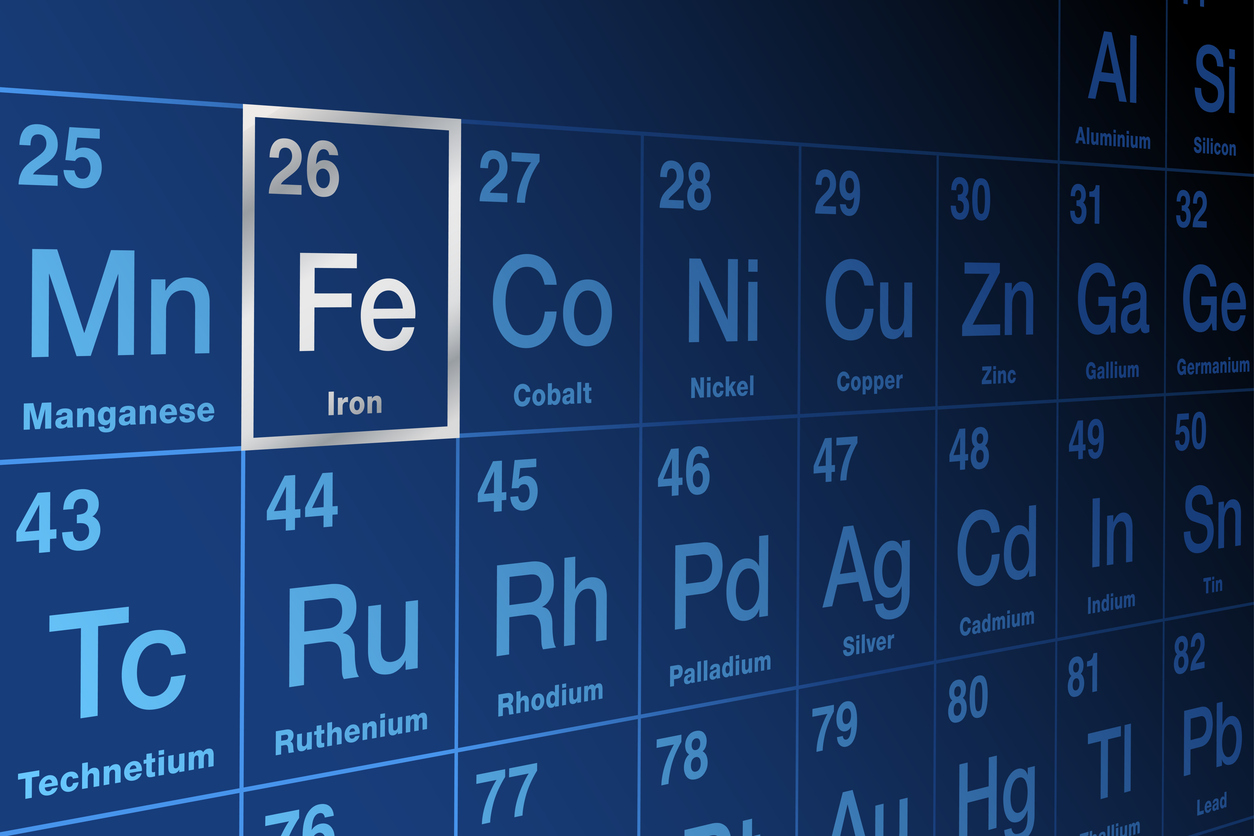
Understanding the Iron Contaminant
Iron is commonly found in groundwater, often leading to reddish stains on fixtures, metallic taste, and clogging of pipes. Iron exists mainly as soluble ferrous iron and insoluble ferric iron. Removal typically involves oxidizing ferrous iron into ferric iron, which can then be filtered out, preventing issues associated with iron contamination.
Solutions for Iron Removal
- Greensand Filters: Utilize manganese greensand to oxidize and filter out iron, providing reliable and long-lasting performance.
- Birm Filters: Efficiently remove dissolved iron through a chemical-free oxidation process, requiring only periodic backwashing.
- Pyrolox Filters: Naturally oxidize and filter iron, ensuring effective removal during backwashing.
- Water Softener Systems: Employ ion exchange to remove small amounts of iron alongside other minerals.
- Oxidation Filtration: Introduce oxygen or chemical oxidants like chlorine to convert dissolved iron into a filterable solid.
Applications
Iron removal is important for residential, commercial, and industrial settings to prevent staining, protect plumbing, and improve water quality.
Benefits of Iron Removal
Proper iron removal improves water clarity, prevents rust stains, enhances taste, and extends the lifespan of plumbing and appliances.
Mueller Water Solutions
Mueller Water offers customized iron removal systems, including Greensand, Birm, and Pyrolox filters, water softeners, and oxidation systems to ensure clean, iron-free water.
Contact Us
For expert iron removal solutions, contact Mueller Water today. Our team is ready to provide customized systems to meet your specific needs.
Frequently Asked Questions
What causes iron in drinking water?
How do you remove iron from water?
What is the difference between greensand and Birm filters?
What problems does iron in water cause?
Where is iron removal most commonly needed?
Recommended Mueller Products: