Coliform Removal from Water
Understanding the Coliform Contaminant
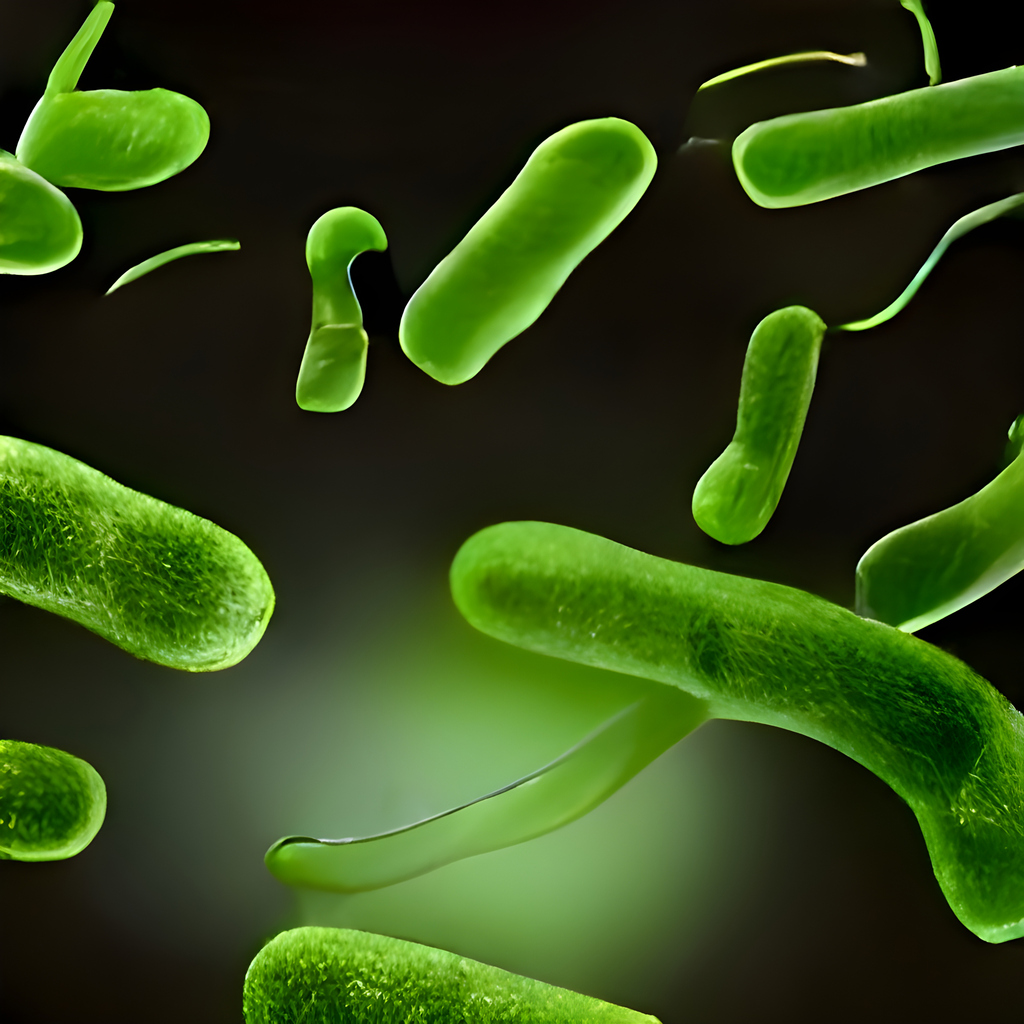
Coliform bacteria are a group of microorganisms commonly found in the environment, particularly in soil, vegetation, and the intestines of warm-blooded animals. While most coliforms are harmless, their presence in water indicates potential contamination by harmful pathogens. Sources of coliform contamination include surface water runoff, sewage leaks, and agricultural practices. Exposure to contaminated water can lead to gastrointestinal illnesses and other health risks.
Solutions for Removal
- UV Disinfection: Utilizes ultraviolet light to effectively kill coliform bacteria without the use of chemicals.
- Chlorination: Employs chlorine to eliminate coliforms and prevent recontamination.
- Reverse Osmosis: Filters out coliform bacteria and other microorganisms.
Applications
Coliform removal is vital in residential, commercial, and industrial water systems to ensure safe drinking water.
Benefits of Removal
- Safeguards public health by preventing waterborne diseases
- Ensures compliance with water quality standards
- Improves overall water safety and reliability
Mueller Water Solutions
Mueller Water offers tailored solutions for coliform removal, including UV disinfection, chlorination, and reverse osmosis systems, ensuring safe and clean water for all applications.
Contact Us
For reliable coliform removal solutions, contact Mueller Water today. Our team is ready to provide customized systems to ensure the safety and purity of your water.
Frequently Asked Questions
What are coliform bacteria and why are they tested?
What is the difference between total coliforms, fecal coliforms, and E. coli?
How do you remove coliforms from water?
How often should I test my well for coliforms?
Recommended Mueller Products: