Bromate Removal from Water
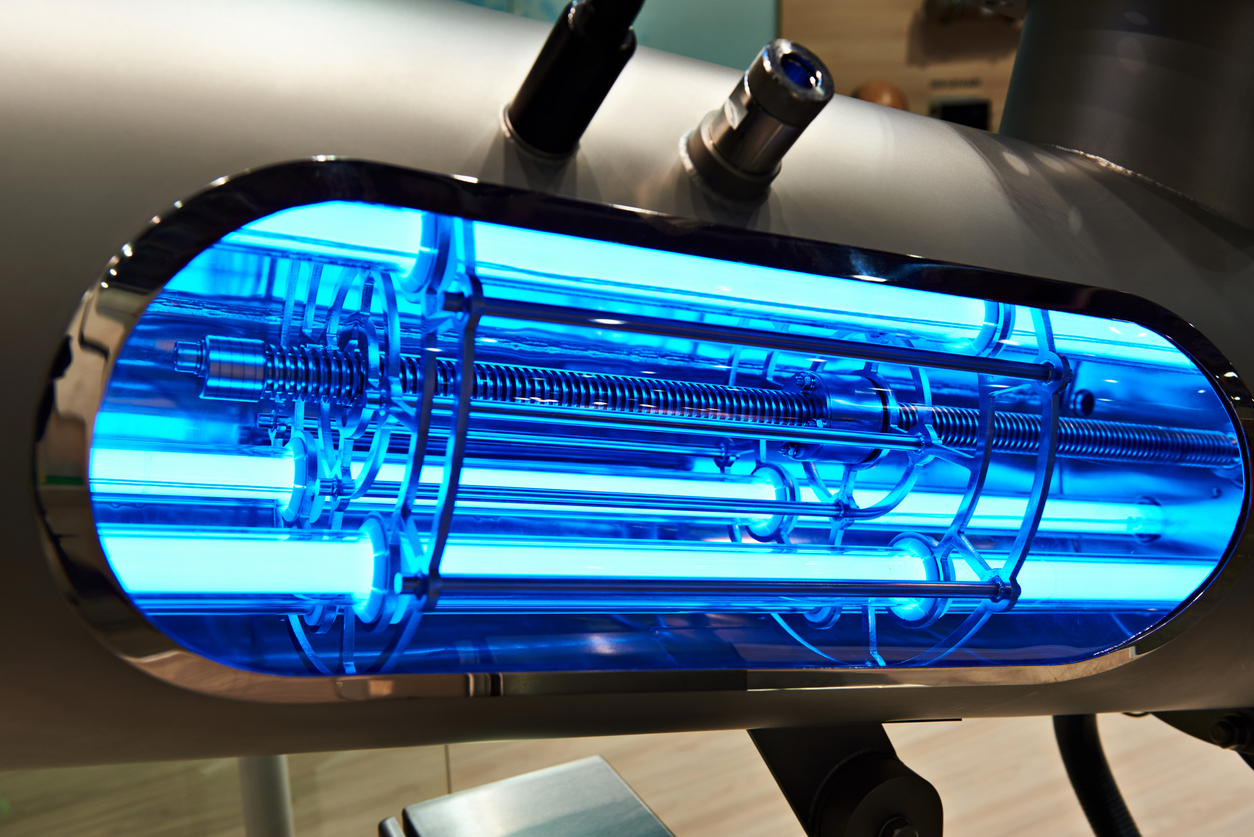
Bromate removal water treatment system

Understanding the Contaminant

Bromate is a byproduct formed when bromide in water reacts with ozone during the disinfection process. It is a potential carcinogen, and prolonged exposure to bromate-contaminated water can lead to serious health issues, including an increased risk of cancer. Sources include treated drinking water, especially where ozone is used as a disinfectant.

Solutions for Removal

  • Activated Carbon Filtration: Reduces bromate levels through adsorption.
  • Reverse Osmosis: Removes bromate and other contaminants by forcing water through a semi-permeable membrane.
  • Ion Exchange: Replaces bromate ions with safer alternatives to ensure clean water.

Applications

Bromate removal is essential in municipal water systems, industrial processes, and any setting where water quality must meet strict safety standards.

Benefits of Removal

  • Protects public health by reducing cancer risk
  • Ensures compliance with regulatory standards
  • Improves water quality and safety

Mueller Water Solutions

Mueller Water offers tailored solutions, including activated carbon filtration, reverse osmosis, and ion exchange systems, to effectively reduce bromate levels in water.

Contact Us

For expert bromate removal, contact Mueller Water today. Our team is ready to design a customized solution for your water treatment needs.

Frequently Asked Questions

What is bromate and how does it form in drinking water?
Bromate is a chemical byproduct formed when naturally occurring bromide in source water reacts with ozone during disinfection. It also forms when chlorinated water is exposed to bromide. Bromate is most common in water systems that use ozone disinfection or have high natural bromide levels — particularly coastal areas where seawater intrusion contributes bromide.
Why is bromate dangerous?
Bromate is classified as a probable human carcinogen by the EPA and IARC. Long-term exposure has been linked to kidney and thyroid cancers in animal studies. The EPA Maximum Contaminant Level is 10 micrograms per liter (μg/L) — one of the lowest contaminant limits in drinking water regulations, reflecting the seriousness of the cancer risk.
How is bromate removed from water?
Three primary methods: Activated Carbon Filtration adsorbs bromate, particularly when biological activity develops on the carbon (BAC); Reverse Osmosis physically removes bromate via membrane filtration with high efficiency; Ion Exchange swaps bromate for safer ions using anion-exchange resin. Most utilities prefer to prevent bromate formation upstream by controlling ozone dose and pH rather than removing it after the fact.
Can bromate formation be prevented?
Yes — the cleanest control is at the disinfection step itself. Lowering pH before ozonation, adding ammonia to scavenge bromine intermediates, optimizing ozone dose, and using alternative disinfectants (UV, chloramine instead of ozone) all reduce bromate formation. For water utilities already committed to ozone, removing bromide upstream via ion exchange is sometimes more economical than treating the bromate downstream.

Contact Us