Zinc Removal from Water
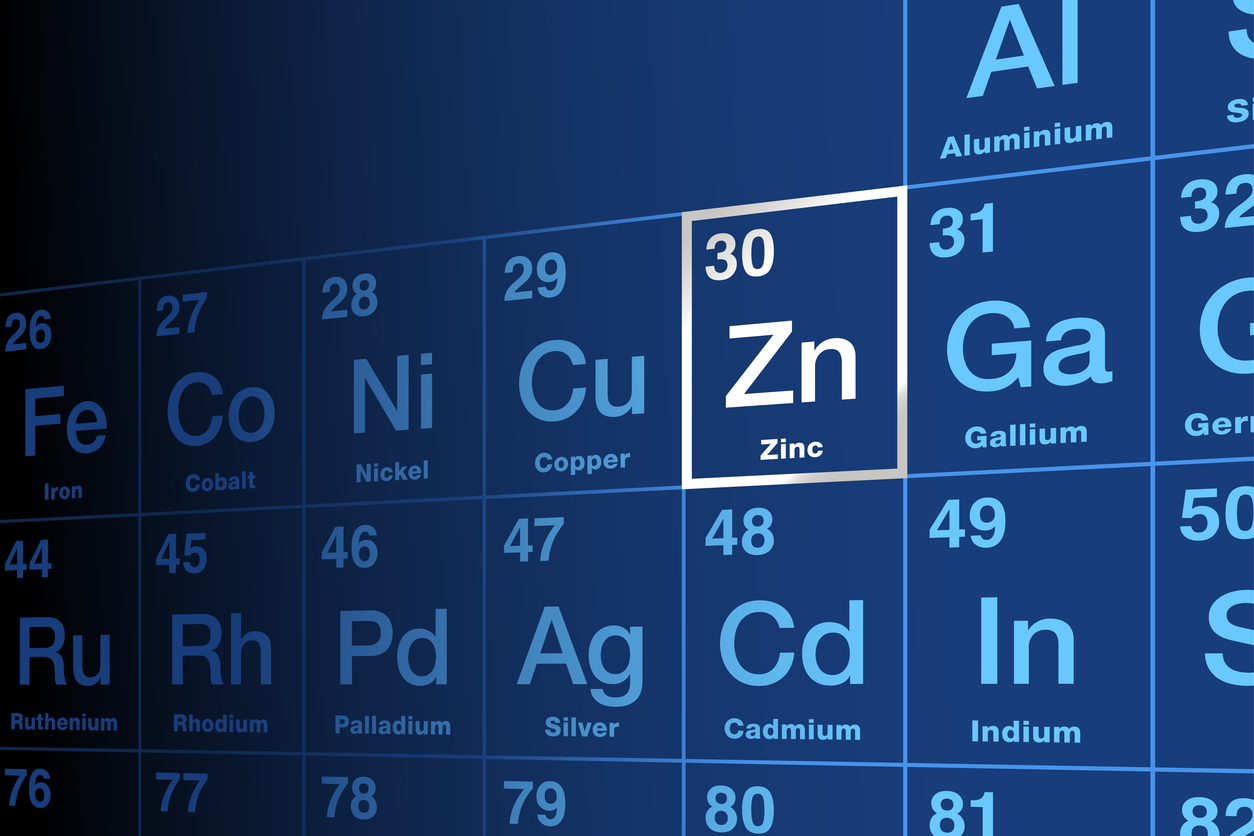
Understanding Zinc Contamination Zinc, a common element in water sources, can enter through industrial discharge, corrosion, or natural deposits. While essential in small amounts, excessive zinc poses health risks and environmental concerns. Effective treatment is necessary to ensure safe water quality.
Solutions for Zinc Removal
- Ion Exchange: This process involves passing water through a specialized resin that replaces zinc ions with sodium or hydrogen ions. It’s ideal for precise control in both residential and industrial applications. The regenerable resin offers a sustainable and cost-effective solution.
- Reverse Osmosis: A highly efficient membrane filtration method, reverse osmosis removes up to 99% of dissolved solids, including zinc. This process forces water through a semi-permeable membrane, trapping zinc and other contaminants. RO is suitable for environments requiring high water purity, such as drinking water systems and industrial processes.
Applications Across Sectors Zinc removal is critical for various settings, including residential homes, commercial operations, and industrial facilities. Ensuring compliance with water quality standards and safeguarding health are top priorities across all sectors.
Benefits of Effective Zinc Removal Proper zinc removal enhances water quality, protects health, and ensures compliance with environmental regulations. Whether for industrial use or residential drinking water, removing zinc is essential for maintaining a safe and efficient water supply.
Mueller Water Solutions Mueller Water specializes in customized water treatment systems tailored to address zinc contamination. With nearly 50 years of experience, we provide expert solutions and ongoing support to meet your specific needs.
Contact Us Today
Ensure your water meets the highest quality standards with Mueller Water's advanced zinc removal solutions. Contact us to discuss your specific needs and explore how our systems can enhance your water quality.