Chlorine Removal from Water
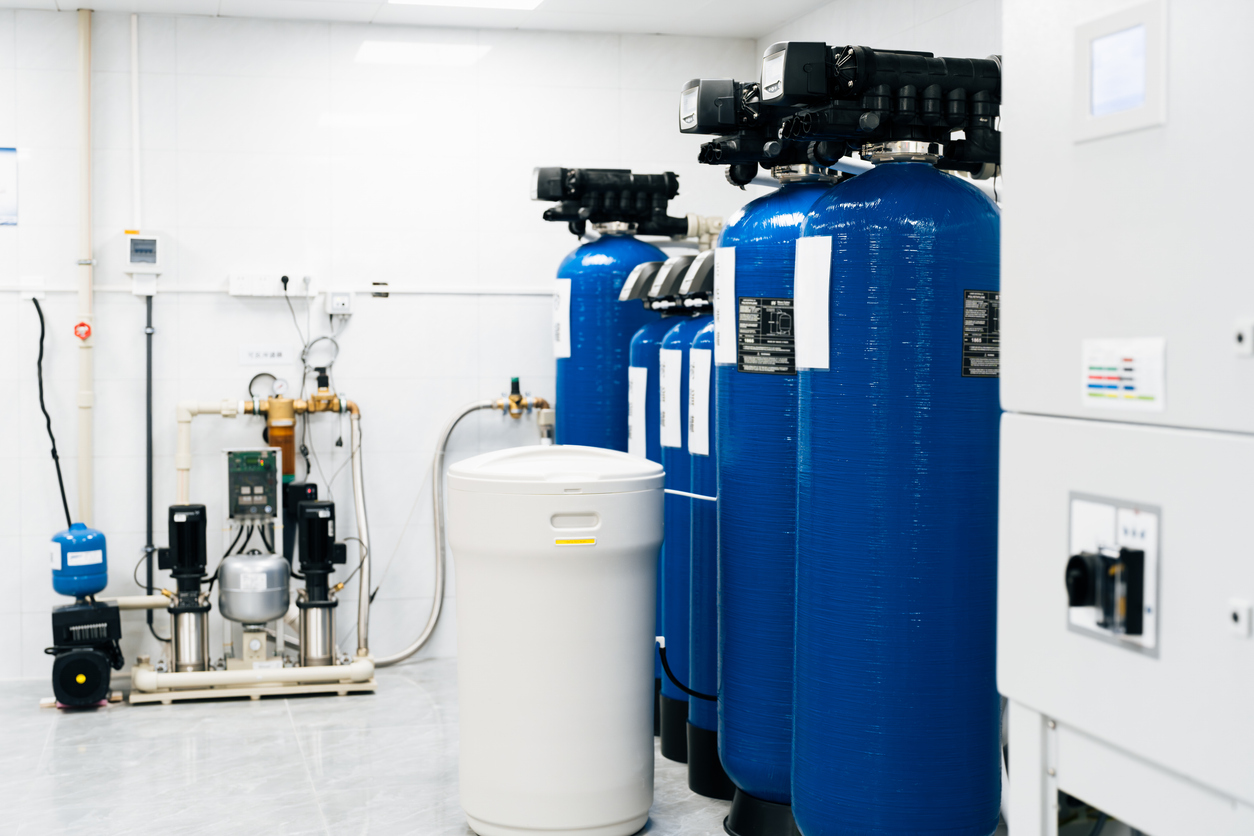
Understanding the Chlorine Contaminant
Chlorine is commonly added to municipal water supplies as a disinfectant to kill bacteria and other pathogens. While effective for disinfection, chlorine can leave an unpleasant taste and odor in water, and long-term exposure may have health risks, including skin irritation and respiratory issues.
Solutions for Removal
- Activated Carbon Filtration: Adsorbs chlorine and its byproducts, improving taste and odor.
- Catalytic Carbon: Enhances the removal of chloramines, a byproduct of chlorine treatment.
- Reverse Osmosis: Removes chlorine and other impurities using a semi-permeable membrane.
- Chemical Dosing System: Doses dechlorination chemicals like sulfur dioxide or sodium bisulfite to neutralize chlorine, often used as a pre-treatment for other filtration systems.
Disinfection & Dechlorination
Disinfection and dechlorination are two sides of the same process. Municipal supplies are disinfected with chlorine or chloramine to kill bacteria and viruses, but that residual disinfectant then has to be removed — dechlorinated — before the water reaches sensitive processes like reverse osmosis membranes, ion-exchange resin, food and beverage production, or dialysis. Mueller Water handles both ends: where extra disinfection is needed we add UV or chemical treatment, and where the residual must come out we use activated or catalytic carbon for whole-stream dechlorination or precise chemical dosing (sulfur dioxide, sodium bisulfite) for high-flow or variable loads. Catalytic carbon is the preferred media when the supply is chloraminated rather than free-chlorinated.
Applications
Chlorine removal is essential for residential, commercial, and industrial water systems to improve water quality and ensure safety.
Benefits of Removal
Eliminating chlorine enhances water taste, reduces health risks, and protects plumbing and appliances from corrosion.
Mueller Water Solutions
Mueller Water offers customized chlorine removal systems, including activated carbon and reverse osmosis, to provide clean, safe water.
Contact Us
For expert chlorine removal solutions, contact Mueller Water today. Our team is ready to design a system tailored to your specific needs.
Frequently Asked Questions
Why is chlorine added to drinking water?
Why would I want to remove chlorine if it disinfects?
How is chlorine removed from water?
What is the difference between chlorine and chloramine?
Recommended Mueller Products: