SAR (Sodium Adsorption Ratio) Reduction from Water
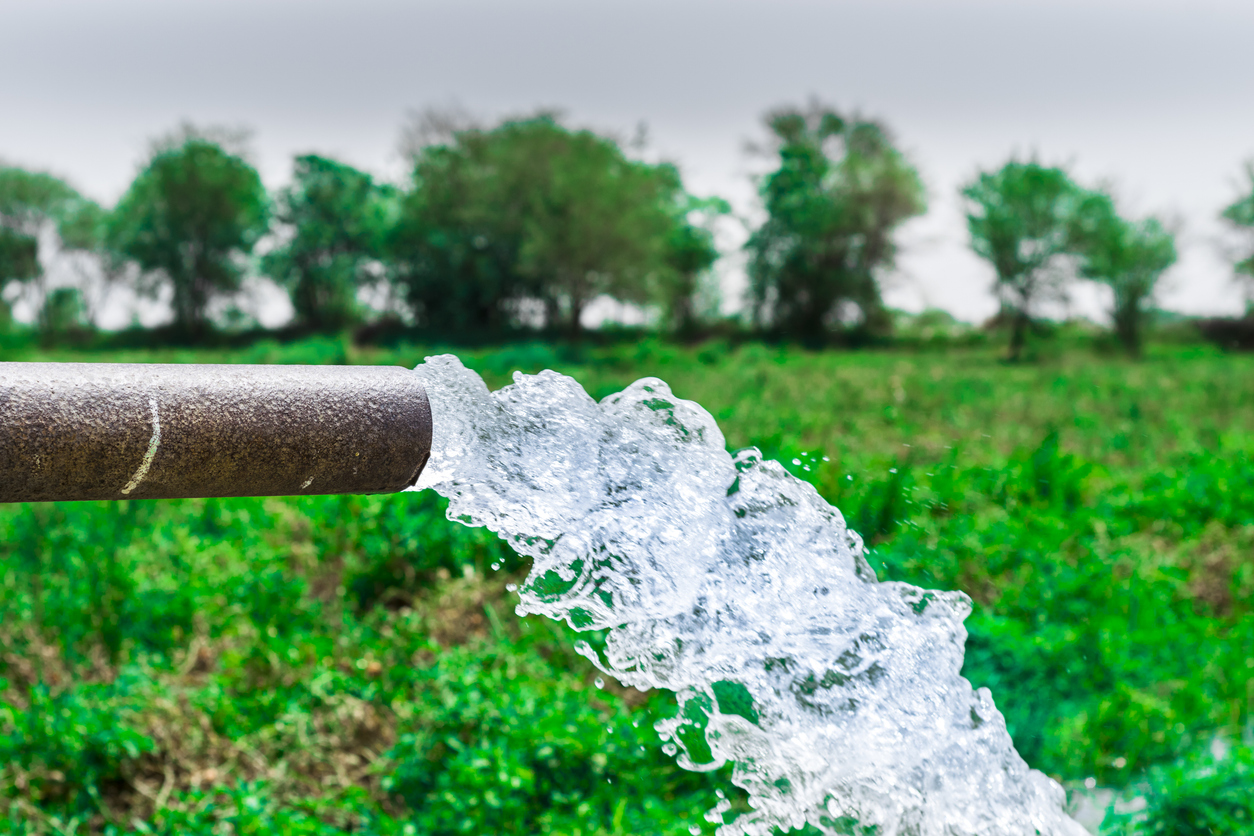
Salt-affected soil in an irrigated agricultural field

Understanding the Contaminant

Sodium Adsorption Ratio (SAR) is a measure of the sodium (Na) relative to calcium (Ca) and magnesium (Mg) in water. High SAR levels can lead to poor soil structure and reduced permeability, which negatively affects plant growth and crop yield. Sources include irrigation water, industrial discharge, and natural mineral deposits. Elevated SAR levels pose risks to agricultural productivity and soil health.

Solutions for Removal

  • Ion Exchange: Replaces sodium ions with calcium or magnesium to balance water quality.
  • Reverse Osmosis: Reduces sodium concentration by filtering out dissolved salts.
  • Gypsum Addition: Introduces calcium to the water, improving SAR balance.

Applications

SAR reduction is critical in agricultural irrigation systems, landscaping, and industrial applications where water quality affects soil structure and plant health.

Benefits of Removal

  • Enhances soil structure and permeability
  • Improves crop yield and plant health
  • Prevents long-term soil degradation

Mueller Water Solutions

Mueller Water provides tailored SAR reduction solutions, including ion exchange systems, reverse osmosis, and gypsum treatment, ensuring optimal water quality for agricultural and industrial use.

Contact Us

For expert SAR reduction solutions, contact Mueller Water today. Our team is ready to help you achieve balanced water quality for your specific needs.

Frequently Asked Questions

What is SAR (Sodium Adsorption Ratio) and why does it matter?
SAR is a measure of how much sodium is in irrigation water relative to calcium and magnesium. High SAR water destroys soil structure — sodium ions displace calcium on soil particles, causing clay to disperse, the soil to compact, and water infiltration to drop dramatically. The result is poor drainage, reduced root oxygen, and progressively lower crop yields. SAR matters most for agricultural producers, sod farms, golf courses, and any operation reusing water for irrigation.
What causes high SAR in water?
The most common source is reused irrigation water, water-softener regeneration discharge (which adds sodium while removing calcium and magnesium), seawater intrusion in coastal aquifers, and naturally elevated sodium in deeper aquifers. Industrial brine and oilfield-produced water are major sources of high-SAR water in industrial settings. SAR rises whenever sodium levels stay flat but calcium/magnesium drop — even a "soft" water from a softener will have very high SAR.
How is SAR reduced in water?
Three primary methods: Gypsum Addition introduces calcium sulfate to rebalance the calcium-to-sodium ratio, the most common agricultural fix; Reverse Osmosis removes most dissolved salts including sodium, dramatically lowering SAR; Ion Exchange uses calcium-form resin to swap sodium back to calcium. For irrigation applications, gypsum is usually most cost-effective; for sensitive crops or process water, RO provides reliable low-sodium output.
What SAR level is acceptable for irrigation?
Generally: SAR below 3 is "good" for almost all soils and crops; 3–9 is acceptable for most applications with monitoring; 9–13 is restrictive and only suitable for sandy, well-drained soils; above 13 is unsuitable for irrigation without amendment. Combined with electrical conductivity (EC), SAR determines the overall salinity hazard. Mueller Water can interpret your irrigation water analysis and recommend treatment to bring SAR into your target range.

Contact Us