E. Coli Removal from Water
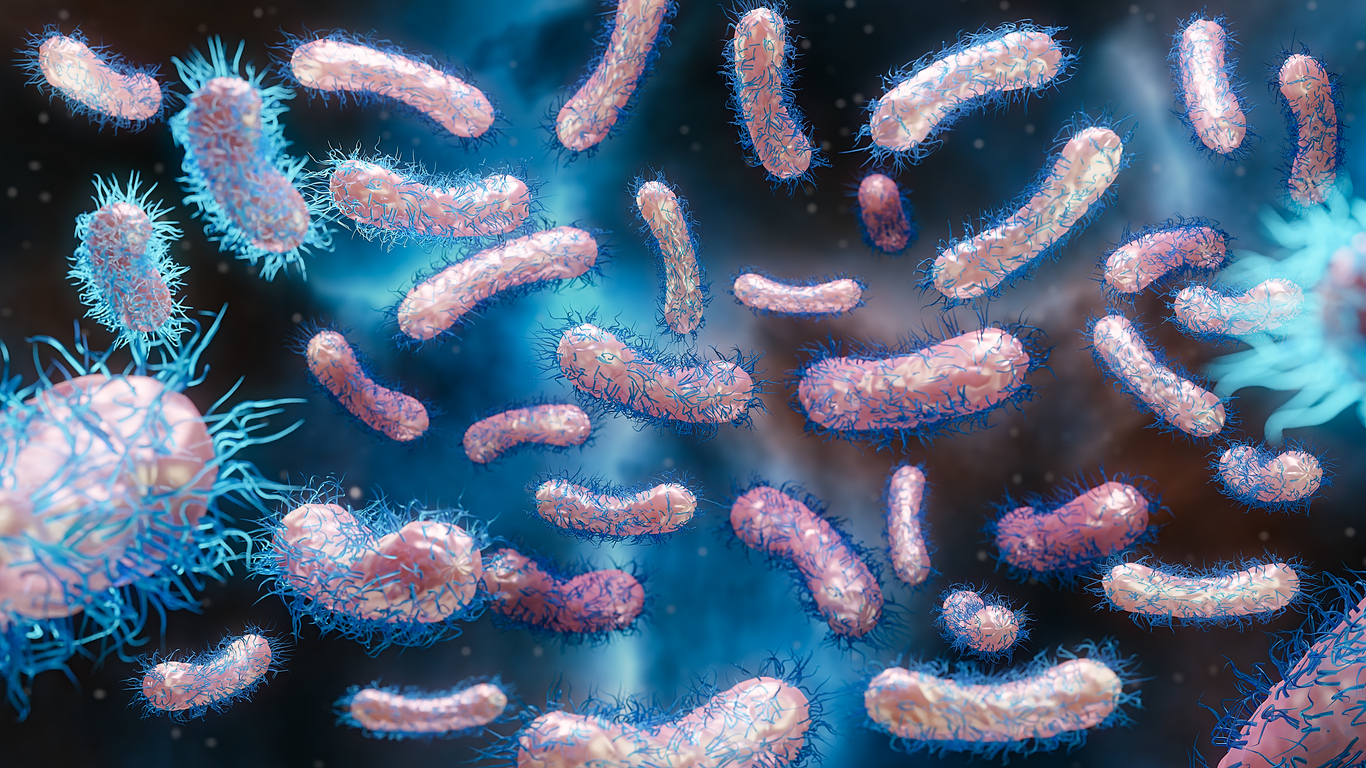
Microscope view of E. coli bacteria in water

Understanding the E. Coli Contaminant

E. Coli is a bacterium typically found in the intestines of humans and animals. While most strains are harmless, some can cause severe illness when ingested through contaminated water. Sources of contamination include sewage leaks, agricultural runoff, and improper waste disposal. E. Coli poses serious health risks, including gastrointestinal infections.

Solutions for Removal

  • UV Disinfection: Destroys E. Coli bacteria using ultraviolet light.
  • Chlorination: Kills E. Coli by introducing chlorine to the water supply.
  • Reverse Osmosis: Filters out bacteria and other microorganisms.

Applications

E. Coli removal is essential for residential, commercial, and industrial water systems to ensure safe drinking water.

Benefits of Removal

  • Prevents waterborne illnesses
  • Ensures compliance with health standards
  • Protects public health

Mueller Water Solutions

Mueller Water offers customized solutions for effective E. Coli removal, including UV disinfection, chlorination, and reverse osmosis systems.

Contact Us

For reliable E. Coli removal solutions, contact Mueller Water today. Our team is ready to provide tailored systems for safe and clean water.

Frequently Asked Questions

How does E. coli get into drinking water?
E. coli enters water primarily through fecal contamination — sewage leaks, septic system failures, agricultural runoff with animal waste, contaminated wells (especially after flooding), and cross-connections in plumbing. It is the most reliable indicator that water has been contaminated by feces from humans or warm-blooded animals.
How dangerous is E. coli in water?
Most E. coli strains are harmless commensals, but pathogenic strains like E. coli O157:H7 cause severe illness — bloody diarrhea, hemolytic uremic syndrome (HUS, kidney failure), and potentially death, especially in children, elderly, and immunocompromised individuals. The CDC recommends "do not drink" alerts when E. coli is detected, and contaminated water should be boiled or disinfected before any use until cleared.
How is E. coli removed from water?
Three primary methods: UV Disinfection destroys E. coli DNA with ultraviolet light at the right wavelength and dose, killing the bacteria without producing byproducts; Chlorination introduces chlorine that oxidizes and kills E. coli, with residual protection downstream; Reverse Osmosis physically filters E. coli (and most other contaminants) through a semi-permeable membrane.
What should I do if my well water tests positive for E. coli?
Stop drinking the water immediately and use bottled or boiled water (1 minute rolling boil) for drinking, cooking, brushing teeth, and ice. Investigate the source — check well casing integrity, distance from septic systems, recent flooding, and possible cross-connections. Disinfect the well via shock chlorination, then retest. Long-term, install UV disinfection or chlorination plus filtration, and retest twice annually. Mueller Water can design and install the appropriate system.

Contact Us