Bacteria Removal from Water
Understanding the Contaminant
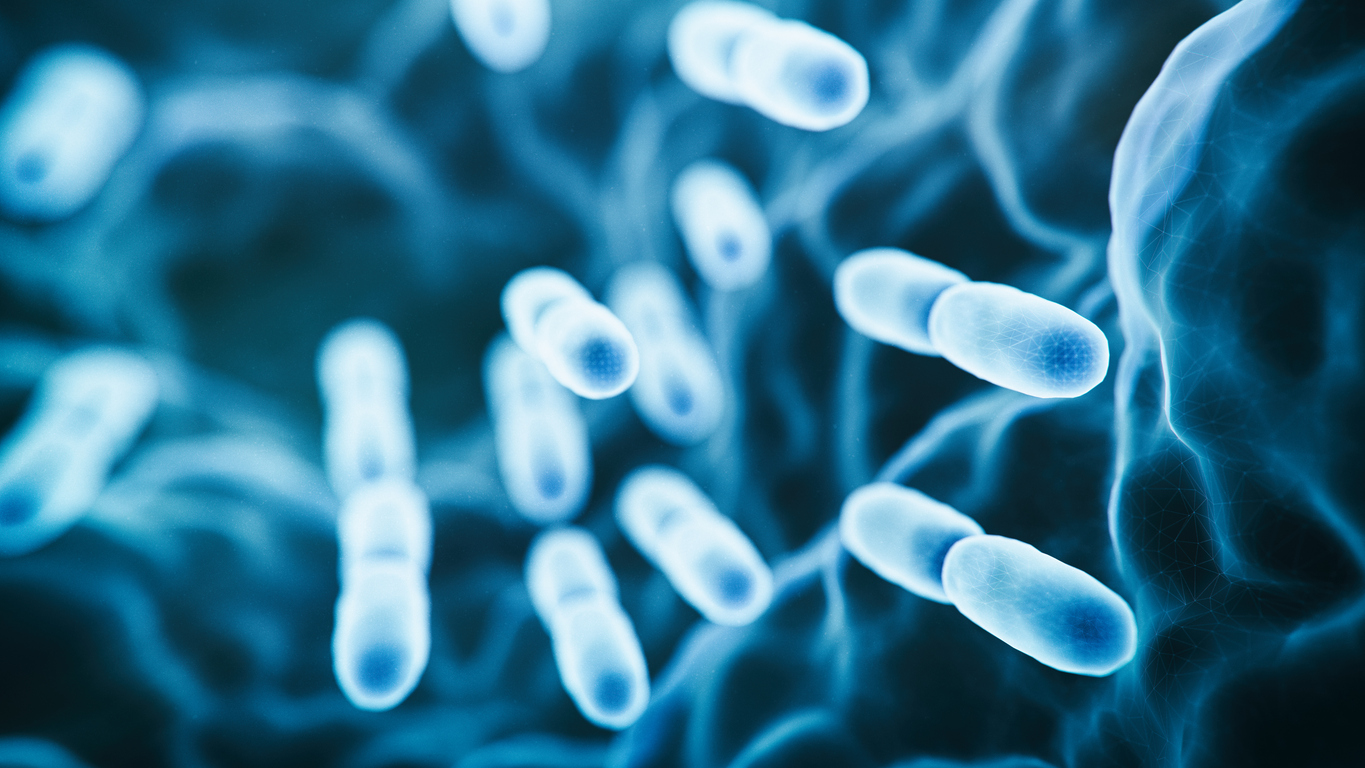
Bacteria, including harmful strains like E. coli, can enter water systems through agricultural runoff, sewage leaks, and natural water sources. Contaminated water poses significant health risks, leading to illnesses such as gastrointestinal infections.
Solutions for Removal
- UV Disinfection: Effectively kills bacteria using ultraviolet light without introducing chemicals.
- Chlorination: While commonly used to kill bacteria, chlorine can pose health risks if overused, leading to harmful byproducts.
- Nanofiltration: Removes bacteria and other microscopic contaminants through a semi-permeable membrane.
- Reverse Osmosis: Filters out bacteria and other impurities, ensuring high-purity water.
Applications
Bacteria removal is essential for residential, commercial, and industrial water systems to provide safe drinking water.
Benefits of Removal
- Prevents waterborne diseases
- Ensures compliance with health standards
- Provides safe, clean water for all uses
Mueller Water Solutions
Mueller Water offers tailored solutions, including UV disinfection, chlorination, nanofiltration, and reverse osmosis systems, to remove bacteria and safeguard water quality.
Contact Us
For effective bacteria removal, contact Mueller Water today. Our experts are ready to customize the perfect water treatment solution for your needs.
Frequently Asked Questions
How do bacteria get into drinking water?
Common pathways include sewage and septic system leakage, agricultural runoff (animal waste), broken or cross-connected plumbing, contaminated well casings, surface water infiltration into shallow groundwater, and biofilm growth in distribution piping. Private wells are particularly vulnerable — flooding events and nearby contamination sources can introduce bacteria that municipal water systems treat upstream.
What bacteria are most dangerous in drinking water?
The biggest concerns are E. coli O157:H7 (causes severe gastrointestinal illness and kidney failure), Salmonella, Shigella, Campylobacter, Legionella pneumophila (Legionnaires' disease), and Pseudomonas aeruginosa (immunocompromised infections). Even "indicator" organisms like total coliforms, while usually harmless themselves, signal that pathogens may be present.
How are bacteria removed from water?
Four primary methods: UV Disinfection destroys bacterial DNA without chemicals; Chlorination kills bacteria but produces disinfection byproducts at high doses; Reverse Osmosis physically filters out bacteria via membrane (and most other contaminants too); Nanofiltration removes bacteria along with viruses and dissolved minerals. Most facilities use UV or chlorination for primary disinfection plus a residual to prevent regrowth in distribution.
What is the EPA standard for bacteria in drinking water?
The EPA Total Coliform Rule sets a Maximum Contaminant Level (MCL) of zero — no detectable total coliform bacteria in drinking water. Public water systems must monitor and act on any positive sample. Private wells are not regulated, but the CDC recommends testing private well water annually for total coliforms and E. coli, and after any flooding, plumbing changes, or unusual taste/odor changes.