Manganese Removal from Water
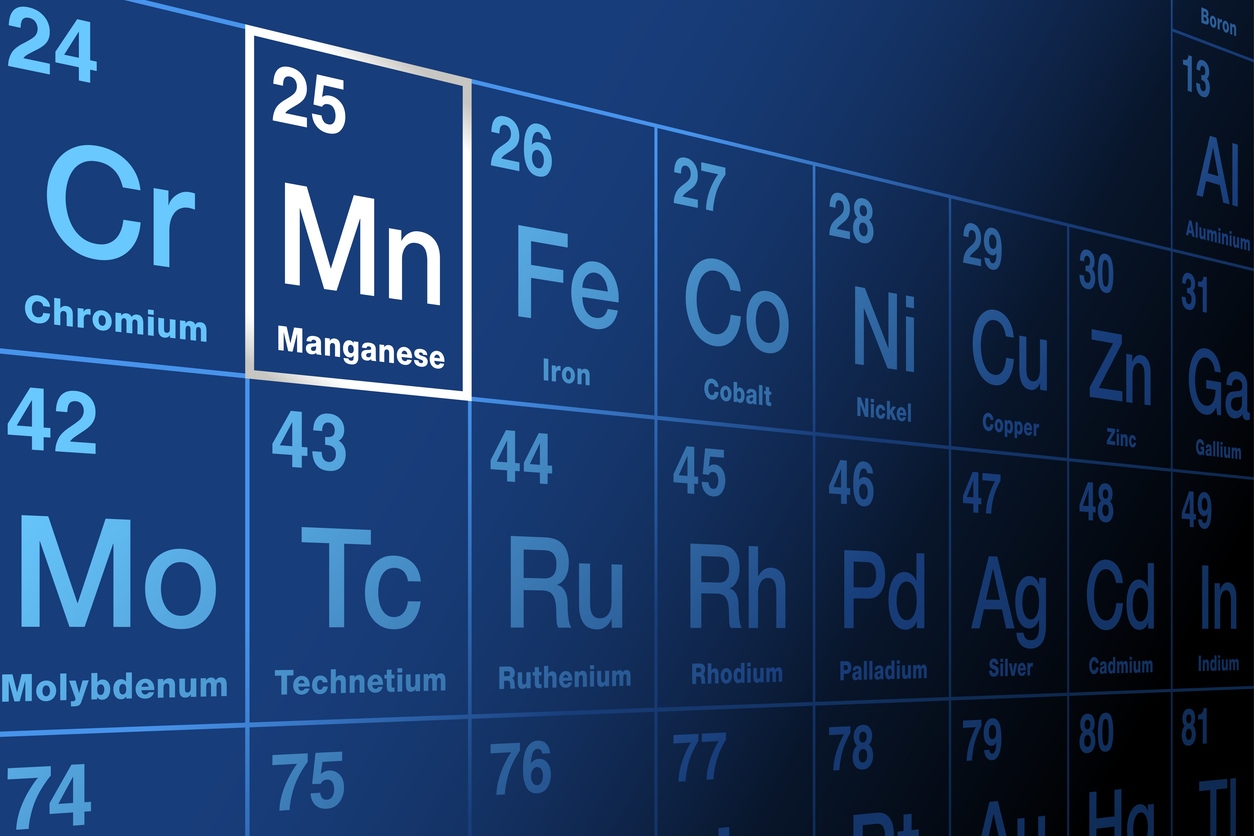
Understanding the Manganese Contaminant
Manganese, commonly found in groundwater, can cause staining, metallic taste, and health issues if present in excessive amounts. Effective removal is crucial for water quality.
Solutions for Manganese Removal
- Greensand Filters: Utilize manganese greensand to reduce iron, manganese, and hydrogen sulfide, providing long-lasting performance without negative effects from chlorine.
- Birm Filters: Cost-effective for removing dissolved manganese and iron, requiring no chemical additives and only periodic backwashing.
- Pyrolox Filters: Oxidize and filter out manganese and iron through a natural chemical reaction, ensuring efficient removal during backwashing.
- Water Softener Systems: Use ion exchange to remove small amounts of manganese alongside hardness-causing minerals.
- Oxidation Filtration: Introduces oxygen and chemical treatment to effectively oxidize and remove manganese.
Manganese Greensand Filters
The most widely used solution for well water is a manganese greensand filter — a vessel of MnO₂-coated media (manganese greensand) that oxidizes dissolved manganese into a filterable solid as water passes through. Because the same media also removes iron and hydrogen sulfide, a manganese greensand filter often replaces several separate treatment stages. The bed is regenerated periodically with potassium permanganate to restore its oxidizing capacity. For higher manganese concentrations or low pH, we add an oxidant feed or pH adjustment ahead of the filter. Related: green sand filters and iron removal.
Applications
Manganese removal is essential for residential, commercial, and industrial settings to prevent staining, improve water taste, and protect plumbing systems.
Benefits of Manganese Removal
Proper removal enhances water clarity, prevents stains, and protects plumbing. It also improves taste and safety.
Mueller Water Solutions
Mueller Water offers customized solutions, including Greensand, Birm, Pyrolox filters, water softeners, and oxidation systems to ensure effective manganese removal for your specific needs.
Contact Us
For expert manganese removal, contact Mueller Water today. Our team is ready to provide tailored solutions for cleaner, safer water.
Frequently Asked Questions
What causes manganese in drinking water?
What problems does manganese cause?
How is manganese removed from water?
How is manganese different from iron in water treatment?
Recommended Mueller Products: