Understanding the Odor Contaminant
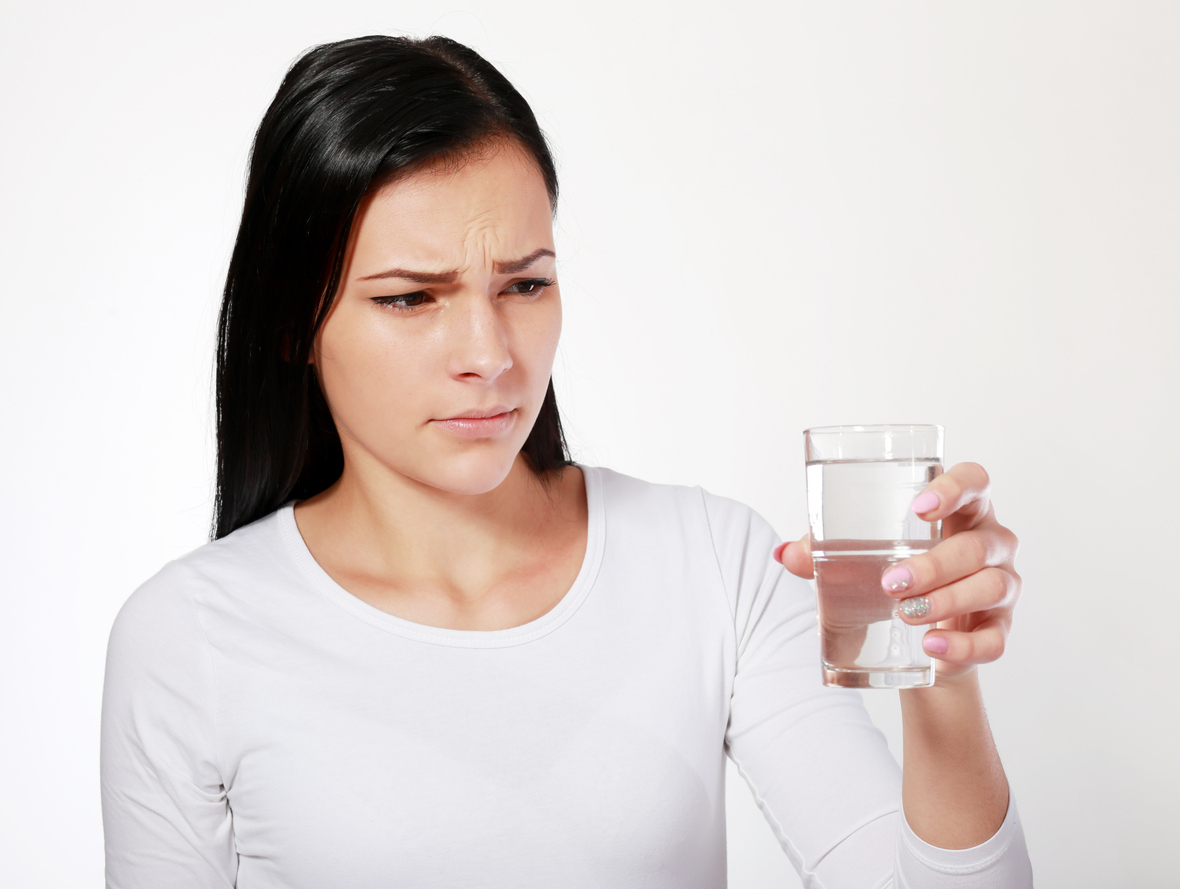
Person reacting to bad-smelling water from a household faucet

Understanding the Odor Contaminant

Unpleasant odors in water can arise from various sources, such as decaying organic matter, hydrogen sulfide gas, chlorine, and chemical pollutants. Additionally, bacteria, algae, and high levels of minerals like iron and manganese can contribute to the problem. These odors not only make water unpalatable but may also indicate potential health hazards or system contamination.

Solutions for Removal

  • Activated Carbon Filtration: Adsorbs odor-causing compounds, enhancing taste and smell.
  • Oxidation Filtration: Neutralizes odor-causing substances, especially hydrogen sulfide.
  • Aeration Systems: Remove volatile compounds responsible for odors.

Applications

Odor removal is essential for residential, commercial, and industrial water systems to ensure pleasant-tasting and safe water.

Benefits of Removal

Eliminating odors improves water quality, taste, and user experience.

Mueller Water Solutions

Mueller Water offers customized systems, including activated carbon filters, oxidation filtration, and aeration, tailored to meet your specific needs.

Contact Us

For effective odor removal solutions, contact Mueller Water today. Our team is ready to design a system that ensures clean, fresh-smelling water for your home or business.

Frequently Asked Questions

What causes bad odors in drinking water?
The most common causes are: hydrogen sulfide (rotten egg smell) from sulfur-reducing bacteria in groundwater; chlorine and chloramines from disinfection; decaying organic matter in source water (musty, earthy odors often from algae or vegetation); iron and manganese bacteria producing metallic or swampy odors; and VOCs from industrial contamination (gasoline, solvent smells). Each cause requires a different treatment approach.
How can I tell what is causing my water odor?
Some odors have telltale signatures: rotten egg = hydrogen sulfide, swimming pool = chlorine, swampy/musty = algae or organics, metallic = iron, fishy = chloramines reacting with bacteria, gasoline/solvent = VOC contamination. Test by checking if hot and cold water both smell (whole-house issue vs water heater), or run the water for 30 seconds and re-smell (stagnation issues clear quickly). Lab testing pinpoints the exact cause.
How are odors removed from water?
Three primary methods: Activated Carbon Filtration adsorbs most organic odor compounds and is the workhorse solution; Oxidation Filtration uses chlorine, ozone, or potassium permanganate to break down odor-causing molecules (especially hydrogen sulfide and iron bacteria byproducts); Aeration physically strips volatile odor compounds out of the water by exposure to air. Many systems combine oxidation with carbon for the most reliable results.
Why does my hot water smell worse than cold?
This is often a water-heater issue rather than a source-water issue. The magnesium anode rod inside water heaters reacts with sulfate in water to produce hydrogen sulfide (rotten egg smell). Replacing the magnesium anode with an aluminum/zinc alloy anode usually eliminates the smell. If both hot and cold water smell, the source water needs treatment — typically aeration, oxidation, or activated carbon depending on the cause.

Contact Us