TSS Removal from Water
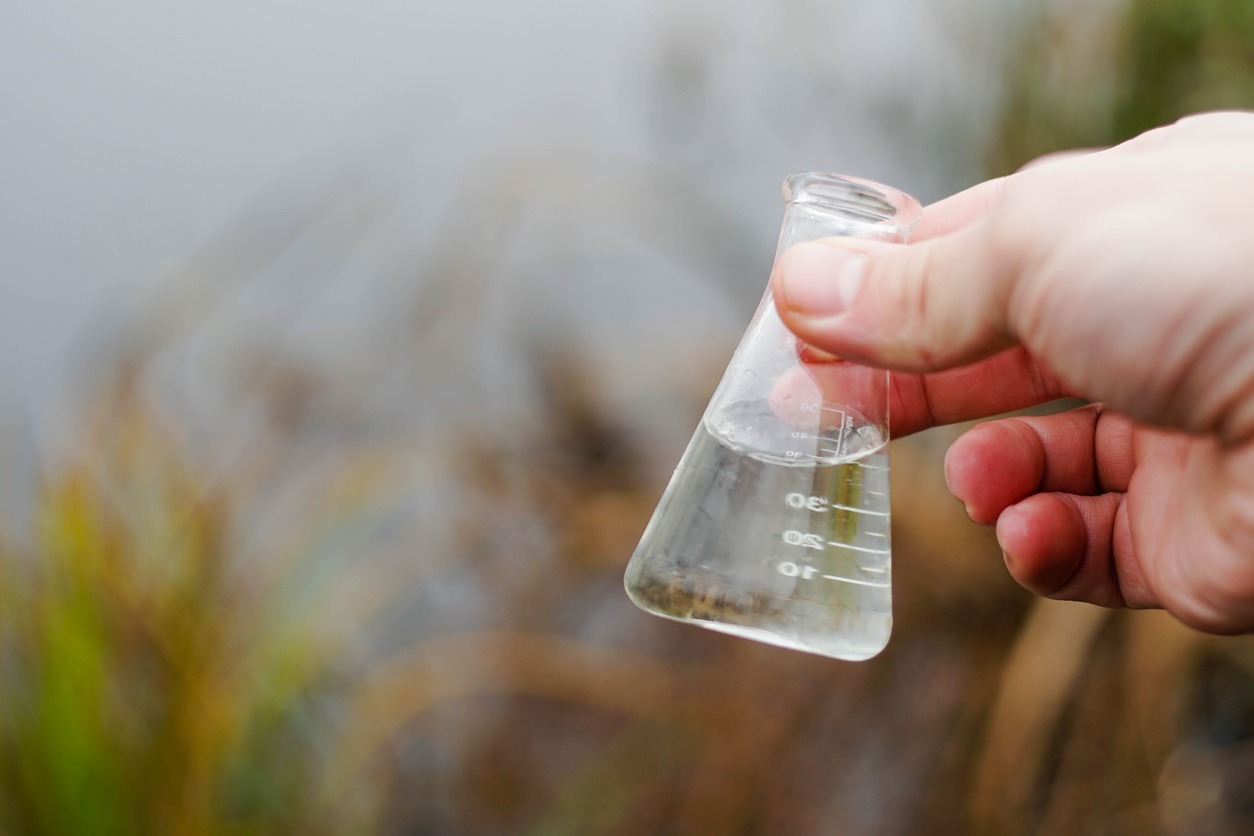
Cloudy water with total suspended solids before treatment

Understanding the TSS Contaminant

Total Suspended Solids (TSS) refer to the solid particles suspended in water, including silt, algae, and organic matter. These particles can originate from soil erosion, industrial discharge, or runoff. High TSS levels can cause turbidity, clog filters, and harbor harmful microorganisms, impacting water quality and safety.

Solutions for Removal

  • Sediment Filtration: Removes larger particles through multi-stage filters, effectively reducing TSS levels.
  • Ultrafiltration: Uses fine membranes to filter out even the smallest suspended solids.
  • Centrifugal Separation: Separates solids from water using centrifugal force, ideal for high-turbidity water sources.

Applications

TSS removal is important in residential, commercial, and industrial water systems to ensure water clarity and protect equipment.

Benefits of Removal

Removing TSS improves water quality, reduces turbidity, and enhances the efficiency of downstream processes.

Mueller Water Solutions

Mueller Water offers tailored solutions for TSS removal, including advanced filtration and separation systems.

Contact Us

For effective TSS removal solutions, contact Mueller Water today. Our team is ready to design a system that meets your specific needs.

Frequently Asked Questions

What is TSS (Total Suspended Solids)?
TSS is the measure of all undissolved particulate matter suspended in water — silt, clay, organic debris, algae, microorganisms, and similar particles that can be captured on a 2-micron filter. It is reported in mg/L and is one of the standard regulatory measurements for both drinking water source quality and wastewater discharge. High TSS is the primary cause of turbidity (cloudiness).
What problems do high TSS levels cause?
TSS causes turbidity, clogs filters and process equipment, harbors bacteria and pathogens (which shelter behind particles from disinfectants), reduces UV disinfection effectiveness, fouls RO membranes and ion exchange resins, accelerates wear on pumps and valves, contributes to scale and biofilm formation in storage tanks, and triggers permit violations for discharge to waterways.
How is TSS removed from water?
Three primary methods: Sediment Filtration uses multi-stage cartridge or media filters to capture particles down to specific micron ratings — most cost-effective for moderate TSS loads; Ultrafiltration uses sub-micron membranes that capture even very fine TSS plus bacteria — preferred where consistent low-TSS output is required; Centrifugal Separation uses centrifugal force to remove dense particles — ideal for very high TSS sources or pretreatment before fine filtration.
What TSS level is acceptable?
It depends on the application. EPA drinking-water turbidity targets are equivalent to roughly 1 mg/L TSS or less; most municipal wastewater discharge permits require less than 30 mg/L TSS; cooling tower makeup typically targets less than 10 mg/L; RO pretreatment usually requires less than 5 mg/L (and an SDI < 5); high-purity industrial applications often need under 1 mg/L. Mueller Water can specify the right target for your downstream equipment.

Contact Us