Radium and Uranium Removal from Potable Water
Understanding the Radium and Uranium Contaminants
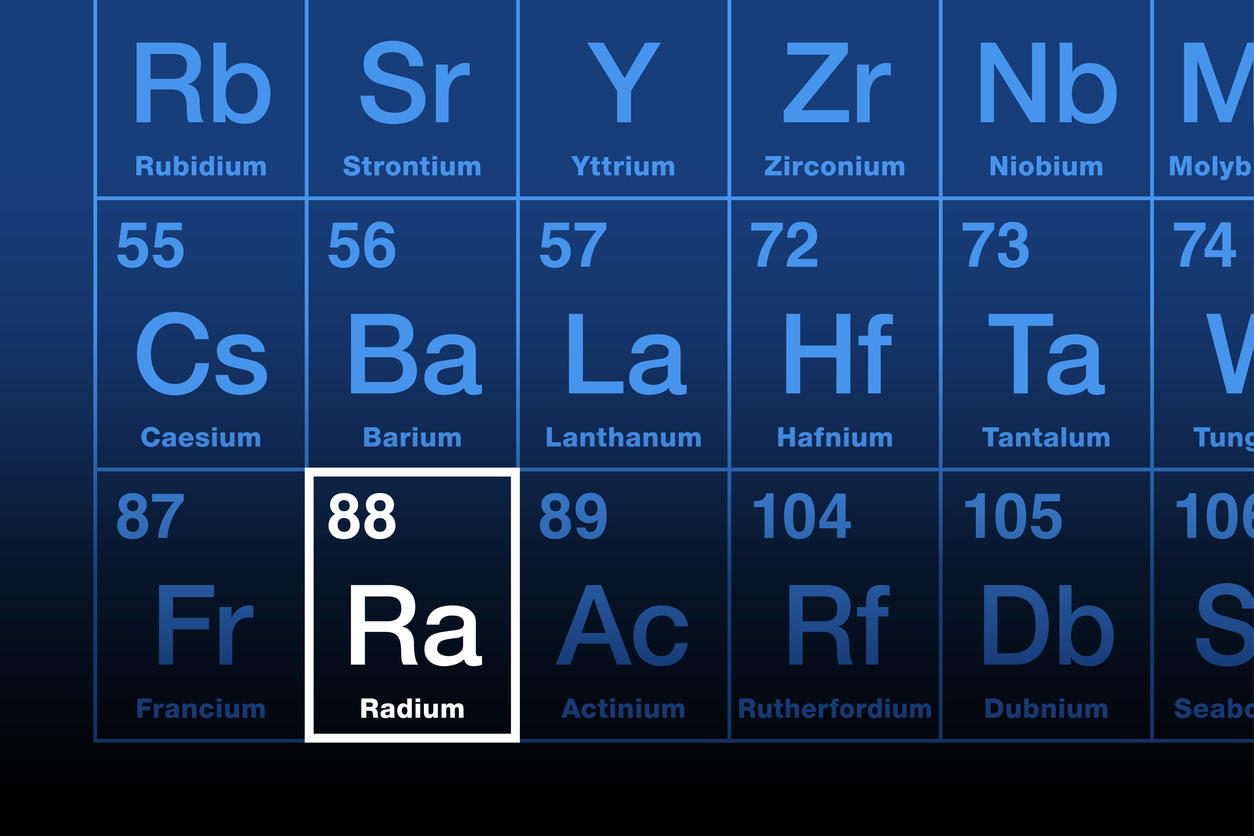
Radium and uranium are naturally occurring radioactive elements often found together in groundwater due to environmental decay processes. Radium is formed as uranium decays, and further decay of radium produces radon, a harmful gas. These interconnected contaminants pose significant health risks, making it essential to remove them from potable water to ensure safety.
Solutions for Removal
- Ion Exchange: Replaces radium and uranium ions with safer alternatives, such as sodium, using specialized resins.
- Reverse Osmosis: Employs a semi-permeable membrane to effectively remove up to 99% of radium, uranium, and their associated byproducts.
- Lime Softening: Adjusts water hardness and precipitates radium for easier filtration.
Applications
These solutions are vital for residential, commercial, and municipal water systems to ensure safe drinking water.
Benefits of Removal
Eliminating radium, uranium, and radon from potable water protects health, ensures regulatory compliance, and enhances peace of mind.
Mueller Water Solutions
Mueller Water offers tailored systems for removing radium, uranium, and radon, ensuring safe, clean drinking water for all applications.
Contact Us
For reliable radium and uranium removal solutions, contact Mueller Water today. Our experts are ready to design a system that meets your potable water needs.
Frequently Asked Questions
How do radium and uranium get into drinking water?
Why are radium and uranium in water dangerous?
How are radium and uranium removed?
What are the EPA limits for radium and uranium in drinking water?
Recommended Mueller Products: