Silica Removal from Water
Understanding the Silica Contaminant
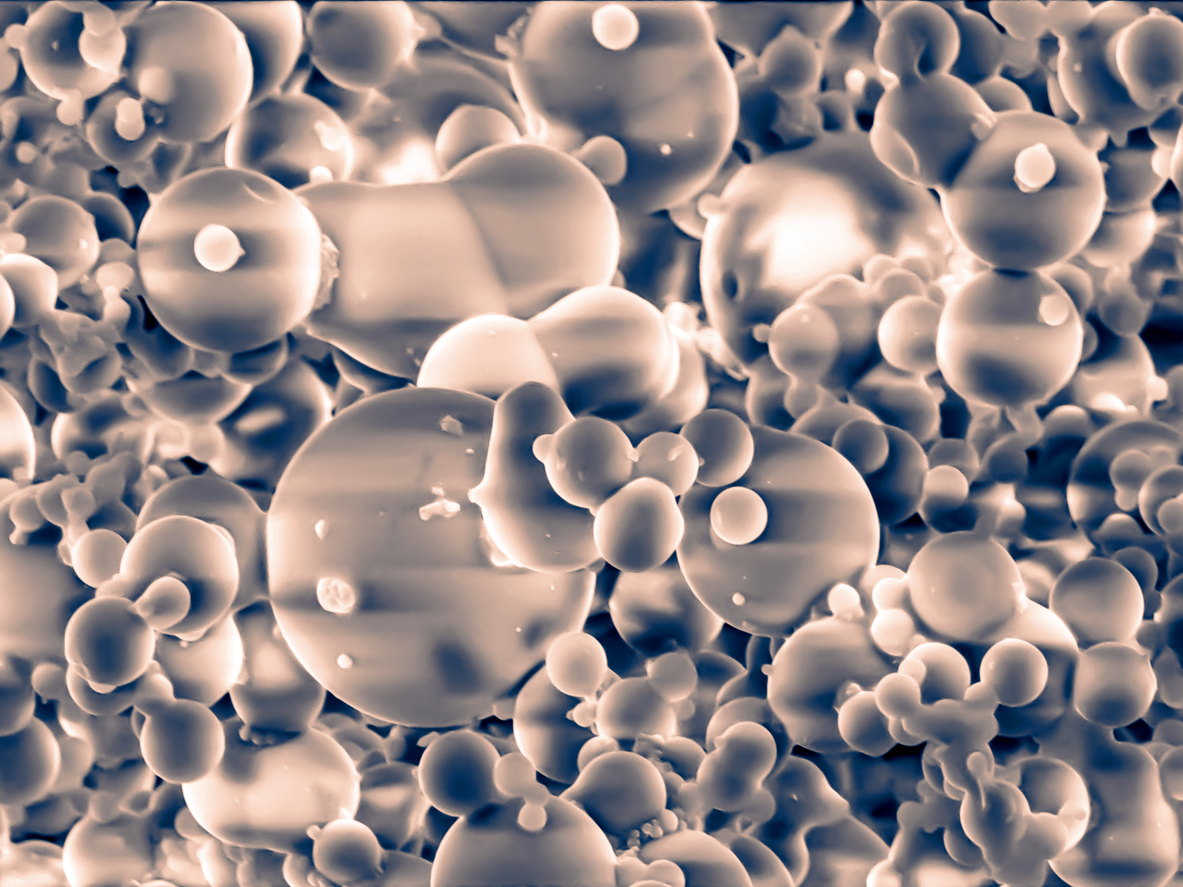
Silica is a naturally occurring compound found in groundwater, surface water, and industrial water sources. It exists in two primary forms: colloidal silica (suspended particles) and reactive silica (dissolved form). Silica buildup in water systems can cause scaling in boilers, heat exchangers, cooling towers, and RO membranes, reducing efficiency and increasing maintenance costs. Proper silica removal is essential for protecting equipment, ensuring water quality, and optimizing industrial processes.
Solutions for Removal
- Ion Exchange: Uses specialized resins to effectively remove dissolved silica, replacing it with harmless ions.
- Reverse Osmosis (RO): Removes both colloidal and reactive silica through a semi-permeable membrane, producing high-purity water.
- Coagulation and Filtration: Uses coagulants to aggregate colloidal silica for easier removal by filtration.
- Electrocoagulation: An advanced method that destabilizes silica particles, allowing them to be separated from water.
- Evaporation and Distillation: High-temperature processes that effectively eliminate silica from water sources in specialized applications.
Applications
Silica removal is essential in:
- Power Plants: Prevents scaling in boilers and steam turbines.
- Semiconductor Manufacturing: Ensures ultra-pure water for chip production.
- Cooling Towers: Reduces silica buildup to maintain efficiency.
- Reverse Osmosis Pretreatment: Protects RO membranes from fouling.
- Pharmaceutical & Laboratory Water: Ensures high-purity water for critical processes.
Benefits of Removal
- Prevents Equipment Scaling: Reduces silica deposits in boilers, cooling systems, and industrial piping.
- Improves Process Efficiency: Enhances performance in power generation, electronics, and manufacturing.
- Reduces Maintenance Costs: Lowers the need for frequent cleaning and equipment replacement.
- Ensures Regulatory Compliance: Meets water quality standards for industrial applications.
- Extends RO Membrane Life: Minimizes silica fouling, increasing membrane efficiency and lifespan.
Mueller Water Solutions
Mueller Water provides advanced silica removal systems designed for industrial, commercial, and municipal applications. Our customized treatment solutions, including ion exchange, reverse osmosis, and filtration technologies, effectively reduce silica levels and optimize system performance.
Contact Us
For expert silica removal solutions, contact Mueller Water today. Our team is ready to assist with customized systems to protect your equipment and ensure high-quality water.
Frequently Asked Questions
What is silica in water and why is it a problem?
Why is silica so hard to remove?
How is silica removed from water?
What silica level is safe for industrial equipment?
Recommended Mueller Products: