Stormwater Treatment
Understanding the Contaminant
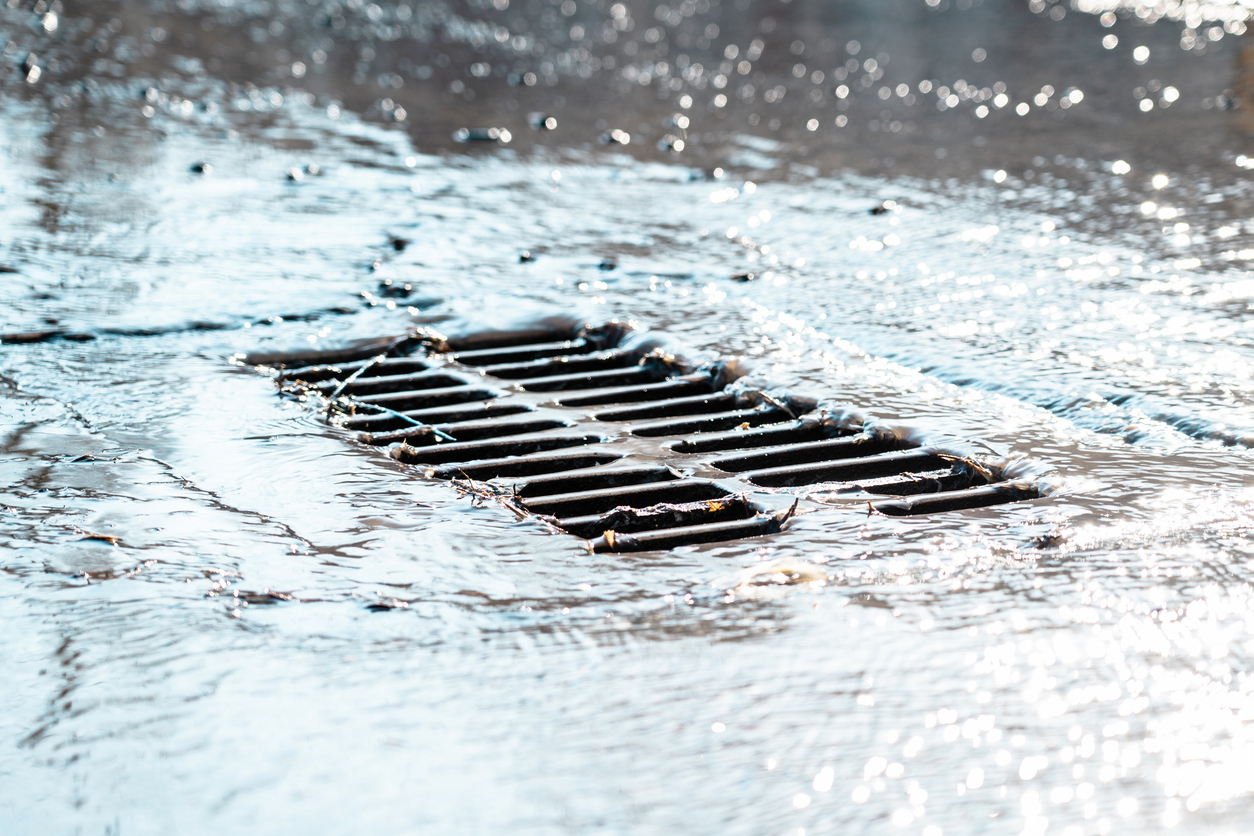
Stormwater runoff is a major environmental challenge, carrying pollutants such as sediments, heavy metals, oil, grease, nutrients, and bacteria from urban, industrial, and agricultural areas into waterways. Uncontrolled stormwater can lead to flooding, erosion, and contamination of drinking water sources. Proper stormwater treatment is essential for protecting water quality, complying with environmental regulations, and supporting sustainable water management.
Solutions for Removal
- Sediment Filtration Systems: Capture suspended solids, debris, and pollutants from stormwater before discharge.
- Oil-Water Separators: Effectively remove hydrocarbons and oils from runoff, preventing contamination of natural water bodies.
- Bioretention and Green Infrastructure: Natural filtration methods using vegetation, soil media, and engineered wetlands to treat stormwater.
- Hydrodynamic Separators: Utilize vortex separation technology to remove sediments, floatables, and oil from stormwater.
- Coagulation and Flocculation: Chemical treatment processes that aggregate fine particles for easier removal.
- Activated Carbon Filtration: Removes organic contaminants, heavy metals, and chemical pollutants from runoff.
- Ultrafiltration Systems: Provide advanced treatment by removing bacteria, viruses, and fine particulates.
Applications
Stormwater treatment is critical in:
- Urban and municipal stormwater management
- Industrial site runoff treatment
- Parking lots, roadways, and highways
- Construction site erosion control
- Airports, ports, and transportation hubs
- Green infrastructure and water reuse projects
Benefits of Removal
- Improved Water Quality: Reduces contaminants in surface water and groundwater.
- Regulatory Compliance: Helps meet EPA, municipal, and industrial stormwater discharge regulations.
- Flood Mitigation: Enhances drainage efficiency and reduces flood risks.
- Environmental Protection: Prevents ecosystem damage and promotes sustainable water management.
- Infrastructure Longevity: Reduces sediment buildup in storm drains, pipes, and treatment facilities.
Mueller Water Solutions
Mueller Water provides advanced stormwater treatment solutions designed to capture, treat, and manage runoff effectively. Our customized treatment technologies ensure compliance with environmental standards while protecting water resources.
Contact Us
For expert solutions in stormwater treatment, contact Mueller Water today. Our team is ready to assist with innovative, sustainable, and cost-effective stormwater management solutions.