Color Removal from Water
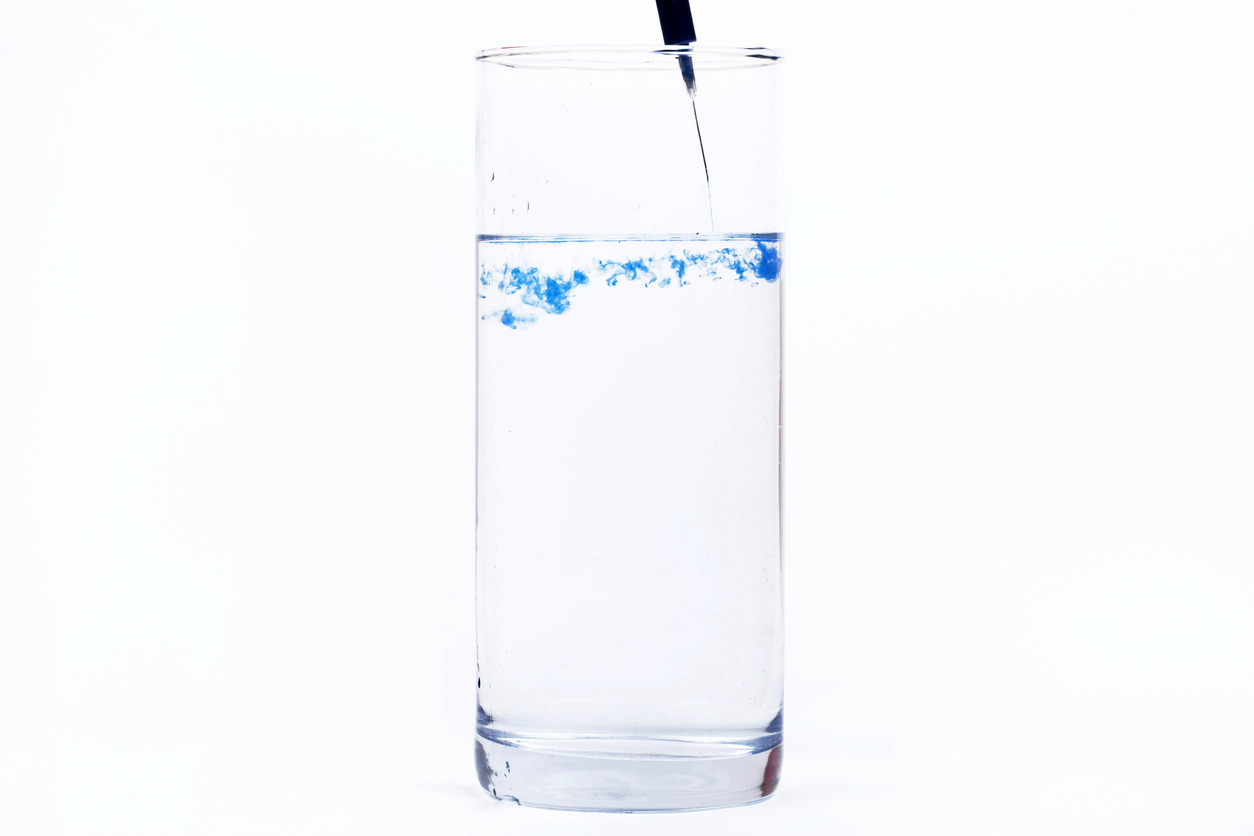
Glass of yellow tinted water showing color contamination

Understanding the Color Contaminant

Color in water is often caused by the presence of dissolved organic materials like tannins, decaying vegetation, or industrial pollutants. These impurities can give water an unappealing appearance, indicating potential contamination and making it unsuitable for consumption and other uses.

Solutions for Removal

  • Activated Carbon Filtration: Adsorbs organic compounds responsible for color, improving clarity and quality.
  • Coagulation and Flocculation: Aggregates color-causing particles, making them easier to filter out.
  • Oxidation Filtration: Oxidizes and removes dissolved organic materials, effectively reducing color.

Applications

Color removal is necessary for residential, commercial, and industrial water systems to ensure clear, clean water.

Benefits of Removal

Proper color removal improves water aesthetics, quality, and safety, making it more suitable for consumption and use.

Mueller Water Solutions

Mueller Water provides tailored solutions, including activated carbon and oxidation filtration systems, to effectively remove color from water.

Contact Us

For expert color removal solutions, contact Mueller Water today. Our team is ready to provide customized systems to meet your water quality needs.

Frequently Asked Questions

What causes color in drinking water?
Color in water is most often caused by dissolved organic compounds — tannins from decaying vegetation, humic and fulvic acids from peat and soil, and natural plant pigments. Iron and manganese give water reddish-brown or black hues. Industrial discharge can introduce dyes and synthetic colorants. Surface water (rivers, lakes, ponds) is far more likely to have visible color than groundwater.
Is colored water safe to drink?
Color itself is usually an aesthetic problem, not a direct safety hazard, but it often indicates underlying issues. The dissolved organics that cause color react with chlorine to form harmful disinfection byproducts (THMs, haloacetic acids). Color also masks turbidity and can shield bacteria from UV disinfection. Removing color generally improves both aesthetics and safety in one step.
How is color removed from water?
Three primary methods: Activated Carbon Filtration adsorbs the organic compounds responsible for color — the most common solution; Coagulation and Flocculation uses chemicals (alum, ferric chloride) to aggregate color-causing particles for easier filtration; Oxidation Filtration oxidizes dissolved organics with chlorine, ozone, or potassium permanganate before filtering. For severe color problems, multiple methods are combined.
Can a water softener remove color?
No — water softeners use cation exchange to remove calcium and magnesium hardness ions, but the organics that cause color are negatively charged or non-ionic and pass right through softener resin. Removing color requires anion exchange (specifically tannin-removal resin), activated carbon, or membrane filtration. If you have both hardness and color, you typically chain a tannin or carbon filter ahead of your softener.

Contact Us