Selenium Removal from Water
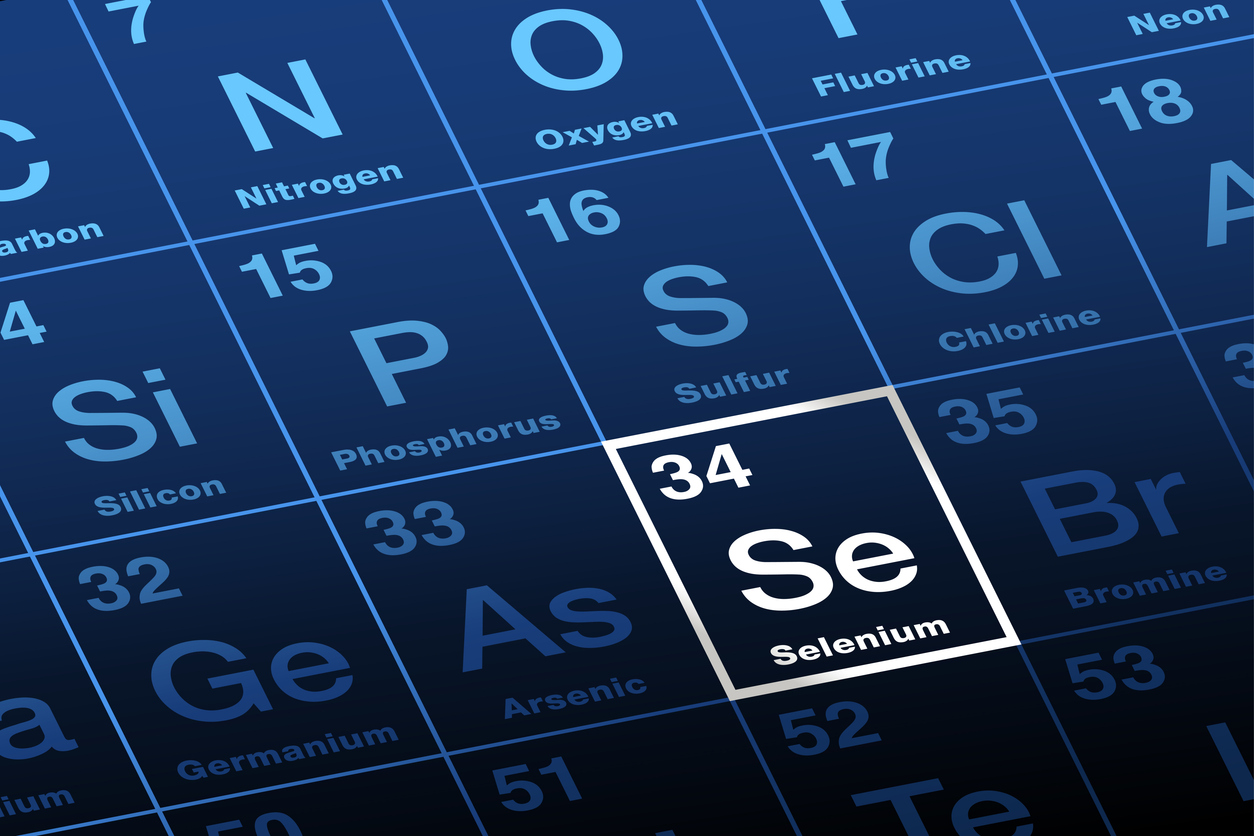
Industrial water treatment system for selenium removal

Understanding the Selenium Contaminant

Selenium is a naturally occurring element that, in high concentrations, can be harmful to both human health and the environment. Selenium in water can originate from natural deposits, agricultural runoff, or industrial processes. It exists in several forms, including selenate and selenite, which are more challenging to remove. Effective removal typically involves converting selenium into a less soluble form that can be filtered out.

Solutions for Selenium Removal

  • Reverse Osmosis: Uses a semi-permeable membrane to remove up to 99% of selenium, making it highly effective for residential and industrial water treatment.
  • Ion Exchange: Replaces selenium ions with less harmful ions like chloride or sulfate, effectively reducing selenium levels in water.
  • Activated Alumina: Adsorbs selenium, especially in its selenite form, making it an excellent choice for targeted removal.
  • Coagulation and Filtration: Adds coagulants to convert soluble selenium into a solid form that can be filtered out.

Applications

Selenium removal is important for residential drinking water systems, industrial processes, and agricultural applications to ensure water safety and quality.

Benefits of Selenium Removal

Proper selenium removal prevents potential health risks, protects the environment, and ensures compliance with water quality standards.

Mueller Water Solutions

Mueller Water provides customized solutions for selenium removal, including advanced reverse osmosis systems, ion exchange, and specialized filtration methods. Our systems are designed to meet the specific needs of any application.

Contact Us

For expert selenium removal solutions, contact Mueller Water today. Our team is ready to provide tailored systems to ensure clean, safe water.

Frequently Asked Questions

What causes selenium contamination in water?
Selenium occurs naturally in seleniferous rock and soil — particularly in the western United States. Levels rise in water through agricultural irrigation runoff (where selenium-rich subsoils are exposed), mining operations, coal-fired power plant ash ponds, and industrial discharge. Texas, Wyoming, Colorado, and California have the most affected groundwater regions.
Is selenium harmful in drinking water?
In trace amounts selenium is an essential nutrient, but at elevated levels it causes selenosis — symptoms include hair loss, brittle nails, gastrointestinal upset, and neurological effects. The EPA Maximum Contaminant Level is 50 parts per billion (ppb). Selenium is also a serious environmental concern because it bioaccumulates in fish and wildlife at levels far below human safety thresholds.
How is selenium removed from water?
Four methods: Reverse Osmosis removes up to 99% via membrane filtration; Ion Exchange swaps selenium for chloride or sulfate using selective resins; Activated Alumina adsorbs selenium effectively (especially selenite); and Coagulation and Filtration precipitates selenium into a solid for filter capture. Treatment selection depends on water chemistry and which selenium species are present.
What is the difference between selenate and selenite?
Selenium exists in water as either selenate (Se VI) or selenite (Se IV). Selenite is generally easier to remove because it adsorbs to activated alumina and ferric hydroxide more readily. Selenate behaves similarly to sulfate and is harder to capture without ion exchange or RO. Many treatment systems include an upstream chemical reduction step to convert selenate to selenite for easier removal.

Contact Us