Silt Removal from Water

Understanding the Silt Contaminant

Silt is a fine sediment composed of particles between 2 to 50 microns, originating from soil erosion, construction activities, and natural water sources. It can cause turbidity, clog filters, and reduce water quality. Removing silt typically involves filtration processes that capture these fine particles, ensuring clear and clean water.

Solutions for Silt Removal

  • Sediment Filters: Capture silt particles effectively using fine mesh or media to ensure clean water.
  • Ultrafiltration Systems: Remove even the finest silt particles with membranes that filter down to sub-micron levels.
  • Media Filtration Systems: Utilize multi-layered media to trap silt, providing thorough filtration.
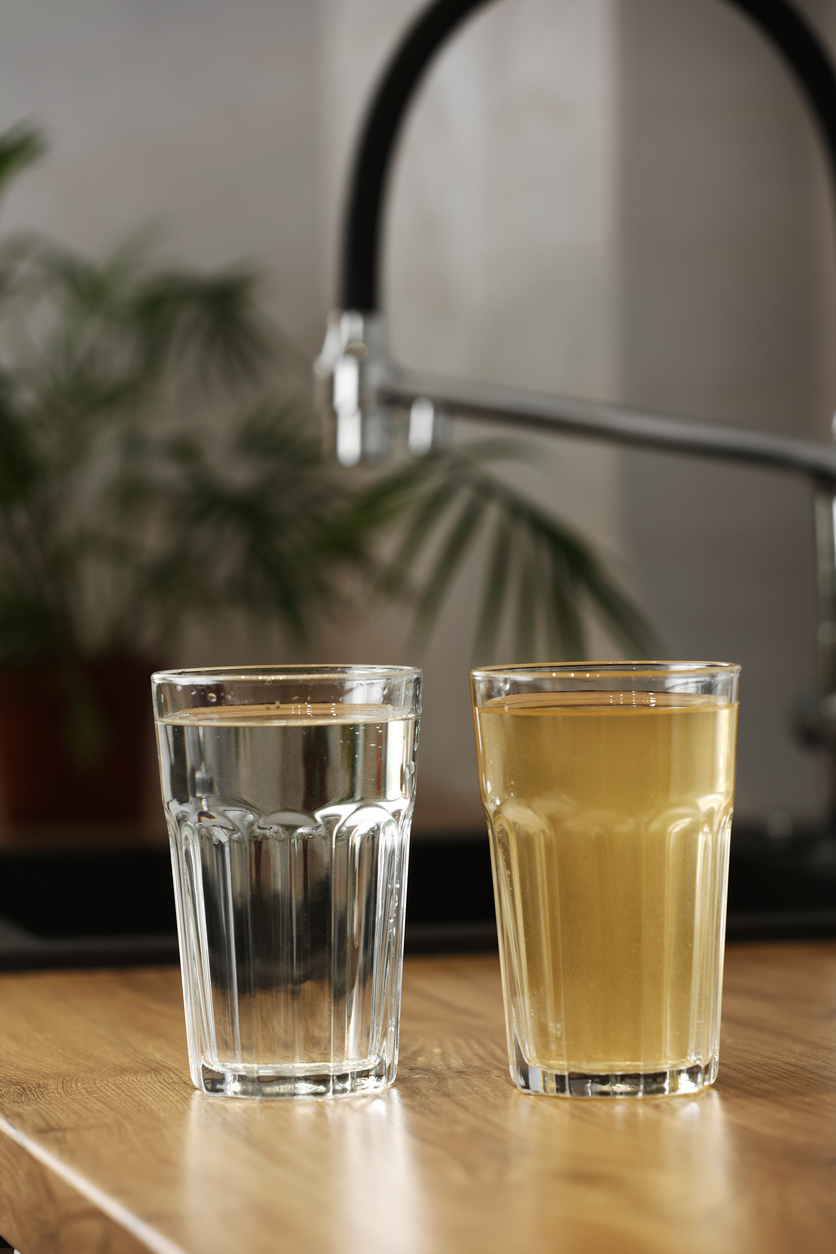
Silt removal from water

Applications

Silt removal is necessary for residential water systems, commercial processes, and industrial applications to prevent equipment damage and improve water clarity.

Benefits of Silt Removal

Proper silt removal enhances water clarity, prevents clogging in plumbing and appliances, and ensures efficient system operation.

Mueller Water Solutions

Mueller Water provides customized silt removal systems, including sediment filters, ultrafiltration, and multi-media filtration tailored to your source water and flow rate. Contact us for a system designed around your specific silt load.

Frequently Asked Questions

What is silt and where does it come from in water?
Silt is fine sediment composed of mineral particles between 2 and 50 microns in size — smaller than sand but larger than clay. It enters water from soil erosion, construction-site runoff, agricultural land, riverbed disturbance during heavy rain, and shoreline degradation. Surface water sources (rivers, lakes, reservoirs) typically carry far more silt than groundwater wells, especially during and after storms.
What problems does silt cause in water systems?
Silt creates turbidity (cloudiness), clogs filters and screens, accelerates wear on pumps and valves, reduces UV disinfection effectiveness (particles shield bacteria from UV light), shortens RO membrane life by physical abrasion and fouling, deposits in storage tanks and water heaters, and degrades water taste. Industrial process equipment is especially sensitive — silt can foul heat exchangers, jam control valves, and contaminate sensitive products.
How is silt removed from water?
Three primary methods: Sediment Filters (cartridge or bag filters) capture silt with fine mesh or media — ideal for low-to-moderate silt loads; Ultrafiltration uses membranes with sub-micron pore sizes to remove even the finest silt particles plus bacteria and viruses; Multi-Media Filtration uses layered media (sand, anthracite, garnet) to trap silt across a depth of media — handles high silt loads with infrequent backwashing.
How is silt different from turbidity?
Turbidity is the *measurement* of how much suspended material is in water (measured in NTU — nephelometric turbidity units). Silt is one of the *causes* of turbidity, alongside clay, organic matter, microorganisms, and other particles. Removing silt is the most effective way to reduce turbidity in most surface-water sources, but high-turbidity water may also need clay flocculation, organic-matter coagulation, or biological treatment depending on the cause.

Contact Us