Turbidity Reduction from Water
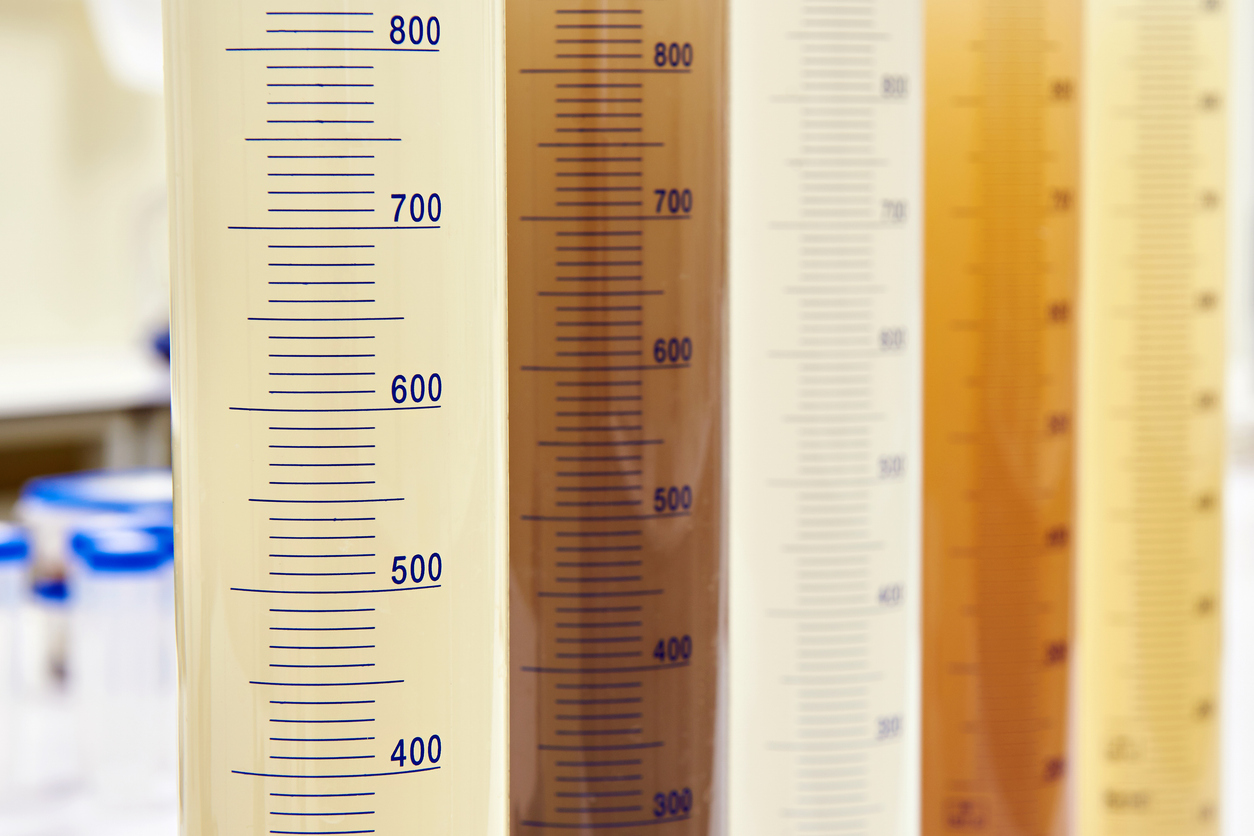
Cloudy turbid water sample before clarification treatment

Understanding the Contaminant

Turbidity refers to the cloudiness or haziness in water caused by suspended particles such as silt, clay, organic matter, and microorganisms. These particles can originate from soil erosion, wastewater discharge, and other sources. High turbidity affects water quality by harboring pathogens and reducing disinfection efficiency.

Solutions for Removal

  • Filtration Systems: Remove suspended particles through sediment, sand, or multimedia filters.
  • Coagulation and Flocculation: Chemical treatments that aggregate small particles for easier filtration.
  • Ultrafiltration: Advanced membrane technology for fine particle removal.

Applications

Turbidity reduction is essential in drinking water treatment, industrial processes, and food and beverage production.

Benefits of Removal

Improved water clarity, enhanced disinfection, and better taste and safety.

Mueller Water Solutions

Mueller Water offers customized solutions, including filtration systems and advanced treatment technologies, for effective turbidity reduction.

Contact Us

For expert solutions in turbidity reduction, contact Mueller Water today. Our team is ready to help you achieve cleaner, clearer water.

Frequently Asked Questions

What is turbidity and how is it measured?
Turbidity is the cloudiness of water caused by suspended particles — silt, clay, organic matter, algae, and microorganisms. It is measured in Nephelometric Turbidity Units (NTU) using an instrument that shines light through a water sample and measures how much is scattered. Drinking water typically has less than 1 NTU; raw river water during storms can reach hundreds of NTU.
What is the EPA standard for turbidity in drinking water?
The EPA Surface Water Treatment Rule requires that filtered water turbidity never exceed 1 NTU and must be less than 0.3 NTU in 95% of monthly samples. Many utilities target 0.1 NTU as best practice. Higher turbidity allows pathogens like Cryptosporidium and Giardia to slip past disinfection, which is why turbidity is treated as a critical operational metric — most water-quality alerts trigger off turbidity excursions.
How is turbidity reduced in water treatment?
The conventional approach: Coagulation and Flocculation (chemicals like alum or ferric chloride aggregate small particles); Sedimentation (particles settle out); Filtration (sand, multi-media, or membrane removes remaining turbidity). Modern membrane plants skip sedimentation and use ultrafiltration directly. For point-of-entry residential or commercial applications, a sediment cartridge filter followed by carbon and UV is typical.
Why does my water sometimes look cloudy then clear up?
A few common causes: air entrainment — dissolved gas bubbles escape and the water clears in 30–60 seconds (entirely harmless); thermal expansion — cold water held under pressure releases gas as it warms; main flushing — utility hydrant flushing or main breaks stir up sediment that clears in hours; or seasonal source-water changes — river turbidity rises after storms. Persistent cloudiness that doesn't clear in a glass of water suggests a real treatment issue worth investigating.

Contact Us