Comparison of Water Softeners and Nanofiltration (NF) Systems
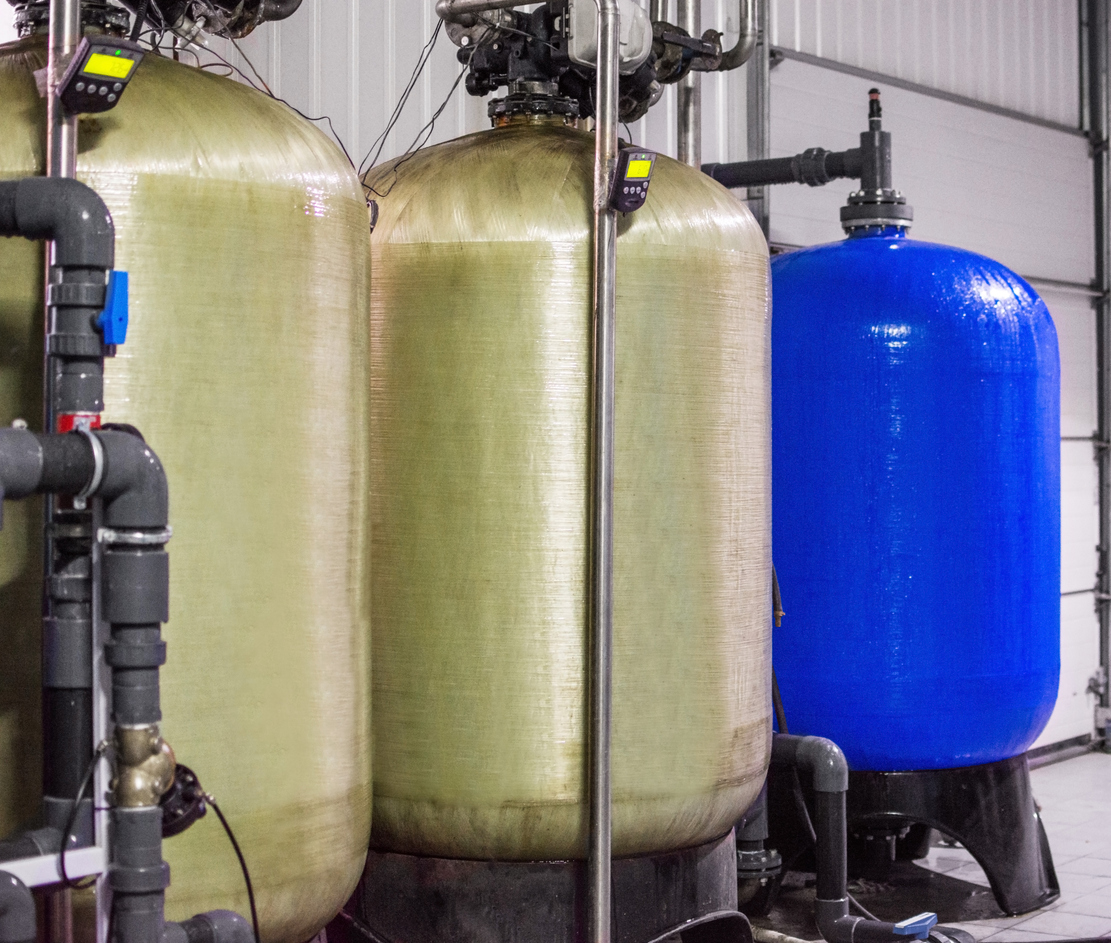
Water Softeners
Water softeners are designed to remove hardness-causing minerals, such as calcium and magnesium, from water through ion exchange. This process replaces these minerals with sodium or potassium ions, preventing scale buildup in plumbing and appliances. Water softeners are ideal for residential and commercial applications where hard water is an issue.
Nanofiltration (NF) Systems
NF systems use a semi-permeable membrane to
selectively remove larger ions like calcium and magnesium while allowing smaller ions to pass through. NF systems are effective for softening water and partially reducing Total Dissolved Solids (TDS) while retaining beneficial minerals. They are commonly used in applications where a balance between softening and retaining essential minerals is needed.
Key Differences
Contaminant Removal: Water softeners specifically target hardness minerals, while NF systems remove both hardness and some organic compounds.
- Water Quality: NF provides more comprehensive filtration by reducing TDS, while water softeners focus solely on softening.
- Energy Usage: NF systems typically use less energy than traditional softeners due to lower pressure requirements.
Applications
- Water Softeners: Ideal for homes, businesses, and industries dealing with hard water issues.
- NF Systems: Suitable for applications requiring partial softening and organic compound reduction.
Benefits of Each System
- Water Softeners: Effective at preventing scale buildup, extending the lifespan of plumbing and appliances.
- NF Systems: Provides softening while retaining beneficial minerals and reducing certain organic contaminants.
Choosing the Right System
Choosing between water softeners and NF systems depends on your specific water treatment needs. Water softeners are perfect for addressing hard water issues, while NF systems offer broader filtration capabilities with partial softening.
Mueller Water Solutions
Mueller Water provides customized solutions featuring both water softeners and nanofiltration technologies. Whether you need to address hard water or require selective filtration, our experts can help you find the ideal solution.
Contact Us
For expert guidance on choosing between water softeners and nanofiltration systems, contact Mueller Water today. Let us design the perfect water treatment solution for your needs.
Frequently Asked Questions
How do water softeners and nanofiltration differ in approach?
Is the sodium added by water softeners a health concern?
Does NF reduce hardness as effectively as a water softener?
Which is better for the environment?
Recommended Mueller Products: