Comparison of Conventional Filtration and Ultrafiltration (UF) Systems
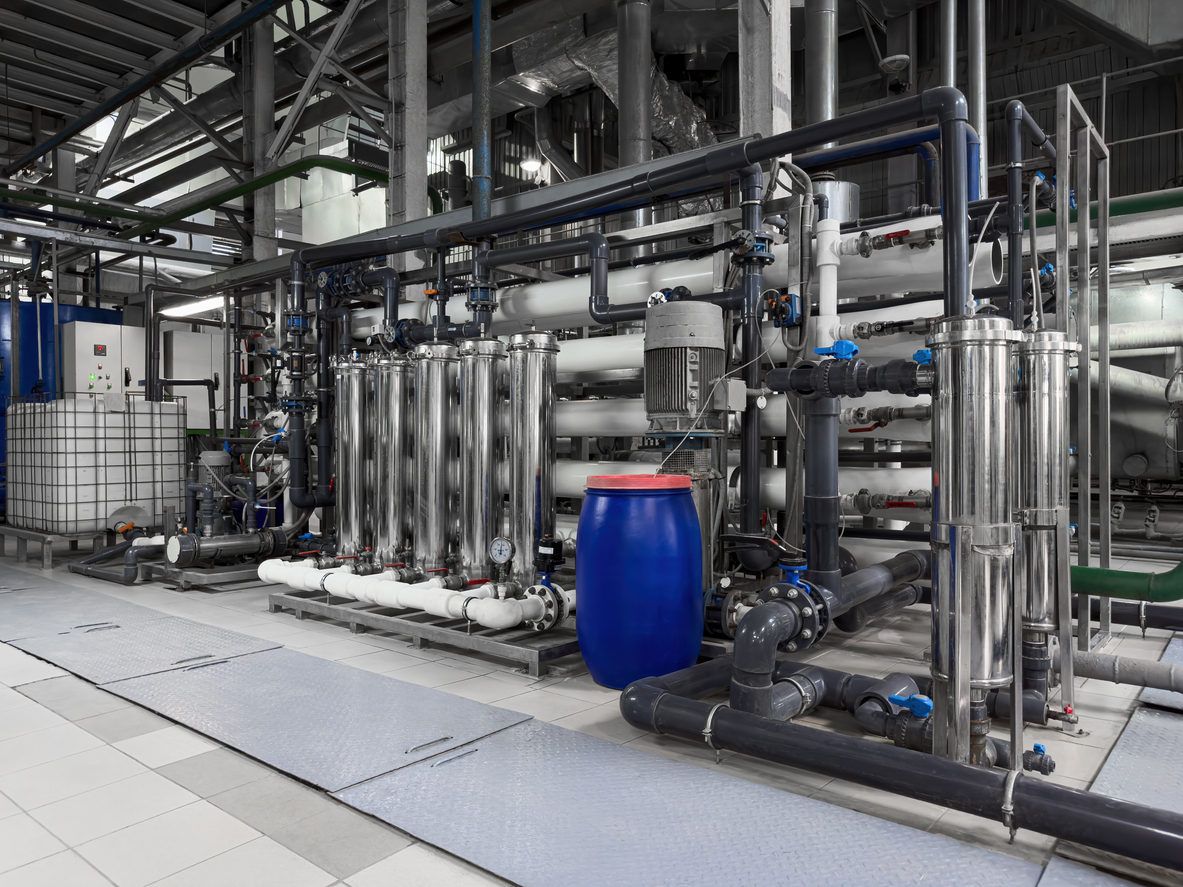
Conventional Filtration Systems
Conventional filtration uses media such as sand, gravel, and activated carbon to remove larger particles, sediment, and certain organic materials from water. This method is widely used for basic water treatment needs, particularly where the primary goal is to reduce turbidity and remove suspended solids.
Ultrafiltration (UF) Systems
Ultrafiltration employs a membrane with very fine pores to filter out bacteria, viruses, and smaller organic molecules that conventional filtration cannot remove. UF provides higher purity and is ideal for applications requiring advanced filtration, such as potable water production and industrial processes.
Key Differences
- Contaminant Removal: UF removes a wider range of contaminants, including microorganisms and fine particulates, while conventional filtration is limited to larger particles and sediment.
- Filtration Precision: UF membranes have pore sizes as small as 0.01 microns, making them far more precise than conventional filters.
- Applications: UF is preferred for applications requiring high-purity water, whereas conventional filtration is suitable for general water treatment needs.
Applications
- Conventional Filtration: Suitable for residential, commercial, and municipal water systems focusing on sediment and turbidity reduction.
- UF Systems: Ideal for producing potable water, wastewater treatment, and industrial processes requiring high-quality water.
Benefits of Each System
- Conventional Filtration: Cost-effective and easy to maintain for basic water treatment.
- UF Systems: Provides superior water quality by removing a wider range of contaminants, including pathogens.
Choosing the Right System
Selecting between conventional filtration and ultrafiltration depends on your specific water treatment requirements. If the goal is to achieve basic water quality improvement, conventional filtration suffices. However, for applications needing higher purity and pathogen removal, UF is the better choice.
Mueller Water Solutions
Mueller Water offers both conventional filtration and ultrafiltration systems tailored to meet your unique water treatment needs. Our experts can help you determine the best solution for your application, ensuring clean and safe water.
Contact Us
For professional guidance on choosing between conventional filtration and ultrafiltration systems, contact Mueller Water today. Let us design a water treatment solution that meets your specific needs.
Frequently Asked Questions
What is the basic difference between conventional filtration and ultrafiltration?
Does ultrafiltration remove dissolved minerals?
When is conventional filtration sufficient?
When does ultrafiltration become necessary?
Recommended Mueller Products: