Arsenic Removal from Water
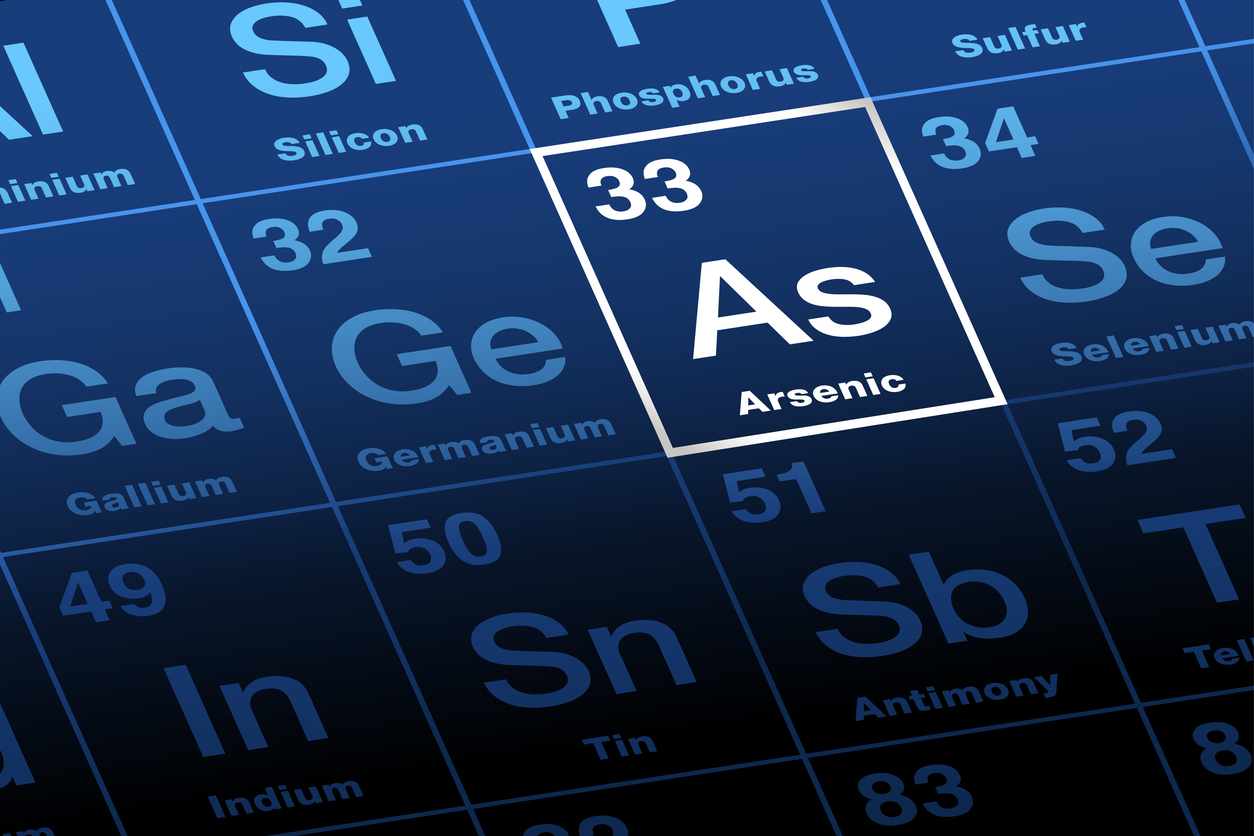
Understanding the Arsenic Contaminant
Arsenic is a naturally occurring element found in soil, bedrock, and water. It often enters water supplies through natural mineral deposits or agricultural and industrial runoff. Long-term exposure to arsenic can cause severe health issues, including skin lesions, cancer, and cardiovascular problems, making its removal from drinking water essential for safety.
Solutions for Arsenic Removal
- Reverse Osmosis: A highly effective method that uses a semi-permeable membrane to remove arsenic and other contaminants from water.
- Ion Exchange: Exchanges arsenic ions with safer ions, such as chloride or sulfate, effectively reducing arsenic levels.
- Activated Alumina: Adsorbs arsenic, especially in its arsenate form, making it an excellent choice for targeted removal.
- Oxidation Filtration: Converts arsenic into a filterable form using oxidation agents, followed by filtration.
Applications
Arsenic removal is vital for residential, commercial, and industrial water systems to ensure safe drinking water and compliance with health standards.
Benefits of Arsenic Removal
Removing arsenic from water protects public health, ensures compliance with safety regulations, and improves water quality for consumption.
Mueller Water Solutions
Mueller Water provides customized solutions for arsenic removal, including advanced reverse osmosis systems, ion exchange, and specialized filtration methods to ensure clean, safe drinking water.
Contact Us
For expert arsenic removal solutions, contact Mueller Water today. Our team is ready to provide tailored systems to meet your specific needs.
Frequently Asked Questions
How does arsenic get into drinking water?
What are the health effects of arsenic exposure?
How is arsenic removed from water?
What is the difference between arsenite and arsenate?
Should I test my well water for arsenic?
Recommended Mueller Products: