Mining
Advanced water treatment in mining operations ensures the removal of contaminants, supports resource extraction, and enhances operational efficiency. Clean water improves equipment longevity, reduces downtime, and meets environmental compliance standards.
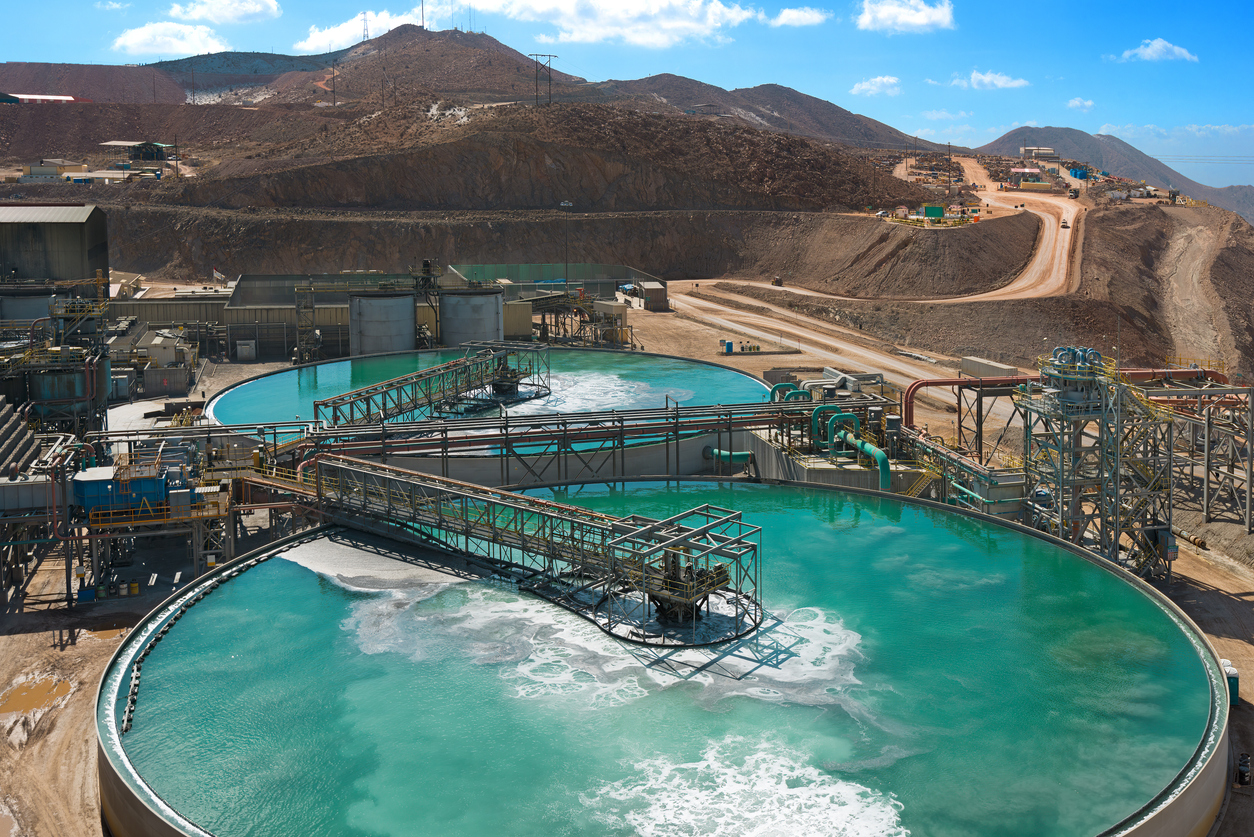
Mining Industry | Comprehensive Water Treatment Solutions
Water treatment plays a crucial role in mining operations, where high water quality is essential for mineral extraction, dust suppression, ore processing, and environmental compliance. At Mueller Water, we understand the unique challenges associated with water usage in mining, including the need for efficient contaminant removal, water recycling, and wastewater treatment. Contaminants such as heavy metals, suspended solids, and chemical pollutants can negatively impact production efficiency and environmental sustainability. Our advanced water treatment solutions are designed to ensure reliable, high-quality water for mining applications, optimizing performance while reducing operational risks.
Water quality directly affects the efficiency and safety of mining operations. Contaminated or improperly treated water can result in equipment corrosion, scaling, and reduced ore processing efficiency, leading to increased operational costs and downtime. Poor water quality also poses environmental risks, with untreated wastewater potentially causing soil and groundwater contamination. Our water treatment systems address these challenges by utilizing advanced filtration, chemical treatment, and purification technologies to ensure compliance with industry regulations and environmental standards.
Mining Water Conditioning
Mining water conditioning covers the full set of treatment steps that make water fit for extraction, processing, and discharge — hardness and scale control to protect pumps and heat exchangers, suspended-solids and turbidity removal from process and pit water, heavy-metal and pH adjustment for compliance, and recycling so sites use less fresh water. Mueller Water designs conditioning trains around each mine’s source water and ore chemistry, combining filtration, ion exchange, membrane, and chemical treatment as the application requires.
Water Treatment Technologies for Mining Operations
Mueller Water offers a range of water treatment solutions specifically engineered for mining applications, including:
- Reverse Osmosis Systems: Effectively remove dissolved salts, heavy metals, and chemical impurities, ensuring high-purity water for mineral processing and reuse.
- Ultrafiltration Systems: Remove suspended solids, bacteria, and viruses, enhancing water quality for operational and environmental applications.
- Media Filtration Systems: Designed to eliminate sediment, turbidity, and organic contaminants, improving water clarity and reducing equipment wear.
- Chemical Treatment Solutions: Custom chemical dosing systems optimize pH balance, prevent scaling, and control microbial growth in mining water supplies.
- Ion Exchange Systems: Selectively remove heavy metals and other dissolved contaminants, ensuring water meets strict regulatory requirements.
Benefits of Water Treatment in Mining Applications
Implementing advanced water treatment solutions in mining operations provides several key advantages:
- Enhanced Equipment Performance: Reduces scaling, corrosion, and blockages, extending the lifespan of pumps, pipes, and processing equipment.
- Improved Operational Efficiency: High-quality water increases extraction rates, improves flotation processes, and enhances mineral recovery.
- Regulatory Compliance: Ensures wastewater discharge meets environmental regulations, reducing the risk of fines and legal issues.
- Sustainable Water Management: Enables water recycling and reuse, lowering freshwater consumption and minimizing environmental impact.
- Cost Reduction: Decreases downtime, lowers maintenance costs, and optimizes resource utilization for improved profitability.
The Role of Water in Mining Operations
Water is a critical resource in mining, used in ore processing, slurry transport, dust control, and equipment cooling. Maintaining high-quality water is essential to prevent scale buildup, ensure proper chemical reactions in mineral extraction, and minimize operational disruptions. Additionally, effective water treatment supports sustainable mining practices by reducing water waste, improving resource efficiency, and protecting local ecosystems.
The Risks of Untreated Water in Mining
Failure to properly treat water in mining applications can lead to severe consequences, including:
- Heavy Metal Contamination: Toxic elements such as arsenic, lead, and mercury can leach into water supplies, posing environmental and health risks.
- Scaling and Corrosion: High mineral content in untreated water can cause equipment failure, reducing productivity and increasing maintenance costs.
- Poor Process Efficiency: Contaminants interfere with mineral extraction and separation processes, lowering yield and profitability.
- Regulatory Violations: Non-compliance with water discharge regulations can result in fines, operational restrictions, or site shutdowns.
- Environmental Damage: Polluted water can harm local water sources, affecting surrounding communities and wildlife.
Contact Us Today
At Mueller Water, we are committed to providing innovative water treatment solutions that support efficient and sustainable mining operations. Our expertise in filtration, purification, and wastewater treatment ensures compliance, operational efficiency, and environmental responsibility. Contact us today to learn how our tailored water treatment systems can enhance your mining operations.