Poultry
Advanced water treatment in poultry farming removes contaminants, preventing disease, and promoting flock health and productivity. Clean water supports growth and profitability, while protecting public health and ensuring safety.
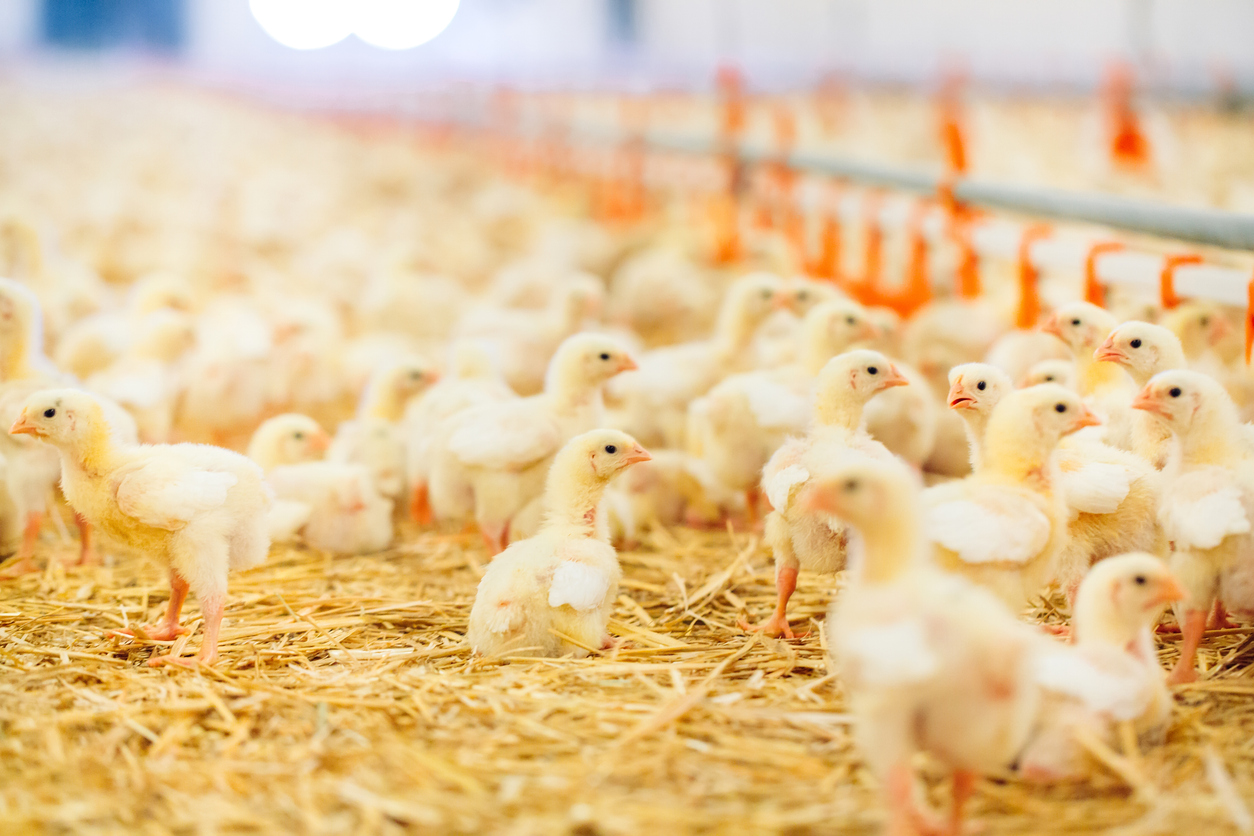
Poultry Farms | Comprehensive Water Treatment Systems
Water treatment is a vital component of successful poultry farming, playing a critical role in maintaining flock health, maximizing productivity, and ensuring overall operational efficiency. At Mueller Water, we understand that clean and safe water is essential for poultry health, directly influencing their hydration, digestion, nutrient absorption, and overall well-being. Contaminants such as bacteria, viruses, parasites, and chemical impurities can compromise these processes, leading to health issues and reduced productivity. Our advanced water treatment solutions are designed to mitigate these risks by providing consistently high-quality water tailored to the specific needs of poultry farming.
Importance of Water Quality in Poultry Farming
Water quality has a direct impact on the performance and productivity of poultry. Poor water quality can result in decreased feed consumption, reduced weight gain, and compromised immune function, all of which contribute to significant economic losses. Contaminated water can lead to outbreaks of diseases such as avian influenza, salmonellosis, and coccidiosis, which not only increase mortality rates but also reduce growth and overall performance. Our water treatment systems address these challenges by employing effective methods like filtration, disinfection, and pH adjustment.
Water Treatment Technologies for Poultry Farms
- Reverse Osmosis Systems: These systems effectively remove dissolved salts, minerals, and other impurities, ensuring that the water meets the stringent quality standards required for poultry health.
- Ultrafiltration Systems: Ultrafiltration provides an additional layer of protection by removing bacteria, viruses, and larger particles, ensuring that your poultry has access to clean, safe water.
- Media Filtration Systems: These systems are designed to remove particulate matter, organic contaminants, and sediments, further enhancing water quality.
- Ultraviolet Sterilization Systems: UV systems effectively disinfect water by inactivating harmful microorganisms, providing an additional safeguard against waterborne diseases.
Benefits of Water Treatment in Poultry Applications
Implementing advanced water treatment solutions in your poultry operations offers several key benefits, including:
- Healthier Animals: By providing clean, contaminant-free water, you can significantly improve the health and well-being of your flock, reducing the incidence of diseases and health issues.
- Enhanced Growth and Reproduction: High-quality water supports optimal digestion and nutrient absorption, essential for growth, egg production, and reproductive success.
- Increased Profitability: Healthy, productive poultry results in higher yields, better feed efficiency, and ultimately, increased profitability for your operation.
- Reduced Maintenance and Downtime: By preventing scale buildup, clogged water lines, and other issues related to poor water quality, our systems help reduce maintenance needs and downtime.
- Protection of Public Health: Proper water treatment not only safeguards the health of your poultry but also reduces the risk of zoonotic disease transmission.
The Role of Water in Poultry Health
Water is not only essential for hydration but also serves as a carrier for vital nutrients, medications, and supplements necessary for the growth and development of poultry. Providing clean, high-quality water ensures that these nutrients are effectively delivered, supporting the immune function and reproductive capacity of your flock. Additionally, water plays a crucial role in maintaining the cleanliness and hygiene of poultry housing and equipment, which is vital for minimizing bacterial contamination, disease transmission, and foul odors. Our comprehensive water treatment solutions ensure that your poultry has access to the best possible water quality, supporting their overall health, welfare, and productivity.
The Risks of Untreated Water in Poultry Farming
Failure to properly treat water in poultry applications can have severe consequences. Untreated water may contain harmful bacteria, viruses, parasites, and chemical contaminants that pose significant risks to poultry health. These pathogens can lead to disease outbreaks, increased mortality rates, reduced growth rates, and poor overall performance. Additionally, untreated water can contain high levels of minerals such as iron and manganese, which can negatively affect the taste and palatability of the water, resulting in decreased water intake and subsequent dehydration. Organic matter and algae in untreated water can clog water lines, reduce water flow, and cause further dehydration and heat stress. Chemical contaminants, such as chlorine or heavy metals, can lead to organ damage, impaired immune function, and reduced egg quality in poultry. By not treating water, poultry farmers risk compromising the health, welfare, and productivity of their flocks, as well as jeopardizing food safety and public health.
Contact Us Today
At Mueller Water, we are committed to supporting the success of your poultry operations by providing advanced water treatment solutions that ensure the highest standards of water quality. Partner with us to safeguard the health and productivity of your flock, reduce operational costs, and protect public health. Contact us today to learn how our tailored water treatment systems can benefit your poultry farm and help you achieve your operational goals.