Disaster Relief Water Treatment
Reliable access to clean water is critical during disaster relief efforts to prevent dehydration, disease, and further crises. Water treatment solutions like reverse osmosis and ultrafiltration play a vital role in disaster situations by providing safe drinking water, protecting public health, and supporting recovery efforts. Mueller Water offers portable and efficient water treatment systems designed to deliver purified water quickly, even in the most challenging conditions.
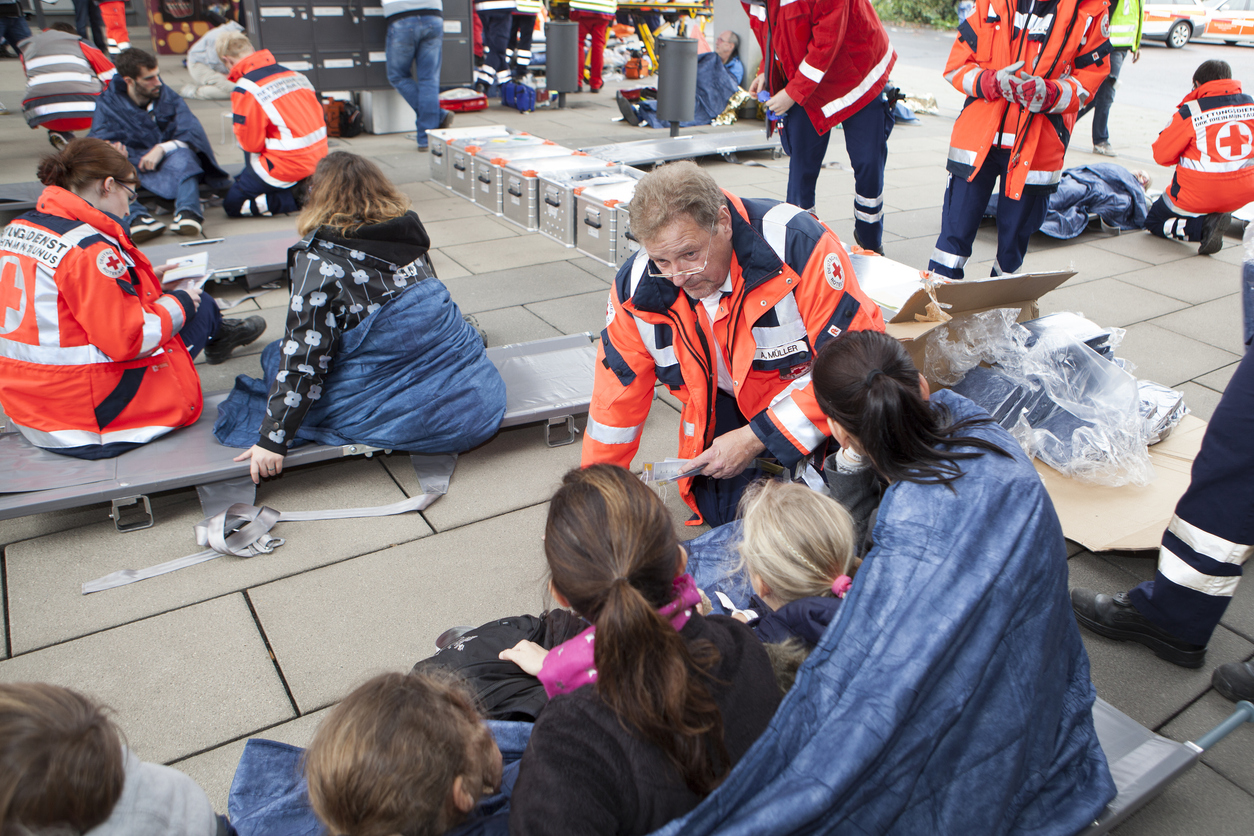
Disaster Relief | Water Treatment Systems
In disaster zones, the need for clean water is immediate and essential to support displaced communities and rescue operations. Contaminated water sources pose serious health risks, as they can spread waterborne diseases, adding to the toll of the disaster. At Mueller Water, we specialize in advanced water treatment systems that are compact, mobile, and effective at producing clean, safe water from various freshwater sources. Our systems are essential tools for disaster relief agencies, emergency response teams, and humanitarian organizations, offering a reliable source of safe drinking water when it's needed most.
The Importance of Water Treatment in Disaster Relief
Natural disasters such as hurricanes, floods, and earthquakes can devastate local water infrastructure, leaving communities without access to safe drinking water. Contaminants, including bacteria, viruses, and harmful chemicals, often infiltrate available water sources, posing health risks. Immediate access to treated water not only addresses hydration needs but also helps prevent outbreaks of waterborne diseases, supporting public health and safety.
Our Water Treatment Solutions
Mueller Water provides reliable, portable water treatment systems that are ideal for disaster relief situations. Our solutions are designed to purify water from contaminated freshwater sources, ensuring a safe and accessible supply of drinking water when standard infrastructure is compromised. Key treatment technologies include:
- Reverse Osmosis (RO) Systems: Our RO systems are highly effective at removing contaminants like bacteria, viruses, and dissolved solids from freshwater sources. These compact, portable systems deliver clean water that meets drinking standards, essential for maintaining health in emergency situations.
- Ultrafiltration (UF) Systems: UF technology uses advanced membrane filtration to eliminate bacteria, pathogens, and other particulates, providing clear and safe water. UF systems are especially beneficial in locations where the water source contains high levels of suspended solids.
- Mobile Water Treatment Units: Our mobile water treatment units are engineered for quick deployment and easy transportation, making them ideal for field operations in remote or devastated areas. They deliver purified water to support first responders, relief workers, and affected communities.
- Custom Solutions for Disaster Response: Mueller Water can tailor our systems to the specific requirements of disaster relief scenarios, ensuring that emergency teams have reliable access to clean water to support their efforts effectively.
Benefits of Disaster Relief Water Treatment
- Immediate Access to Safe Water: Fast, portable solutions that provide clean drinking water when access to safe sources is compromised.
- Disease Prevention: Reduces the risk of waterborne diseases by eliminating pathogens and contaminants from untreated water.
- Supports Recovery Efforts: Access to clean water is foundational to the recovery process, improving health outcomes and stabilizing affected communities.
- Cost-Effective and Scalable: Our treatment systems are designed for cost-efficiency and scalability, enabling response teams to adjust to the needs of each unique disaster situation.
Emergency Rental Equipment
When a disaster knocks out treatment capacity, Mueller maintains a Texas-based fleet of mobile water treatment rental equipment — softeners, reverse osmosis, and filtration skids — for same-day or next-day emergency deployment across the state.
Contact Us Today
Mueller Water is committed to providing dependable water treatment solutions for disaster relief applications. Our team understands the challenges faced in emergency response scenarios and is ready to assist relief organizations and response teams with tailored systems that deliver purified water where it's needed most. Contact us to learn more about how our solutions can support your disaster response and recovery efforts.