Hydrogen Production

Advanced water treatment ensures high-quality hydrogen production by removing impurities that can harm efficiency and equipment. Techniques like reverse osmosis are crucial for producing reliable, sustainable hydrogen.

Hydrogen Production — Reverse Osmosis & Water Treatment Systems

Water treatment is crucial in hydrogen production due to the stringent quality requirements for water used in various processes. Impurities like dissolved minerals and organic compounds can reduce the efficiency and lifespan of equipment and catalysts. In processes such as electrolysis, untreated water can cause electrode fouling and reduced electrolyte conductivity, while in steam methane reforming, it can lead to catalyst deactivation and equipment corrosion.
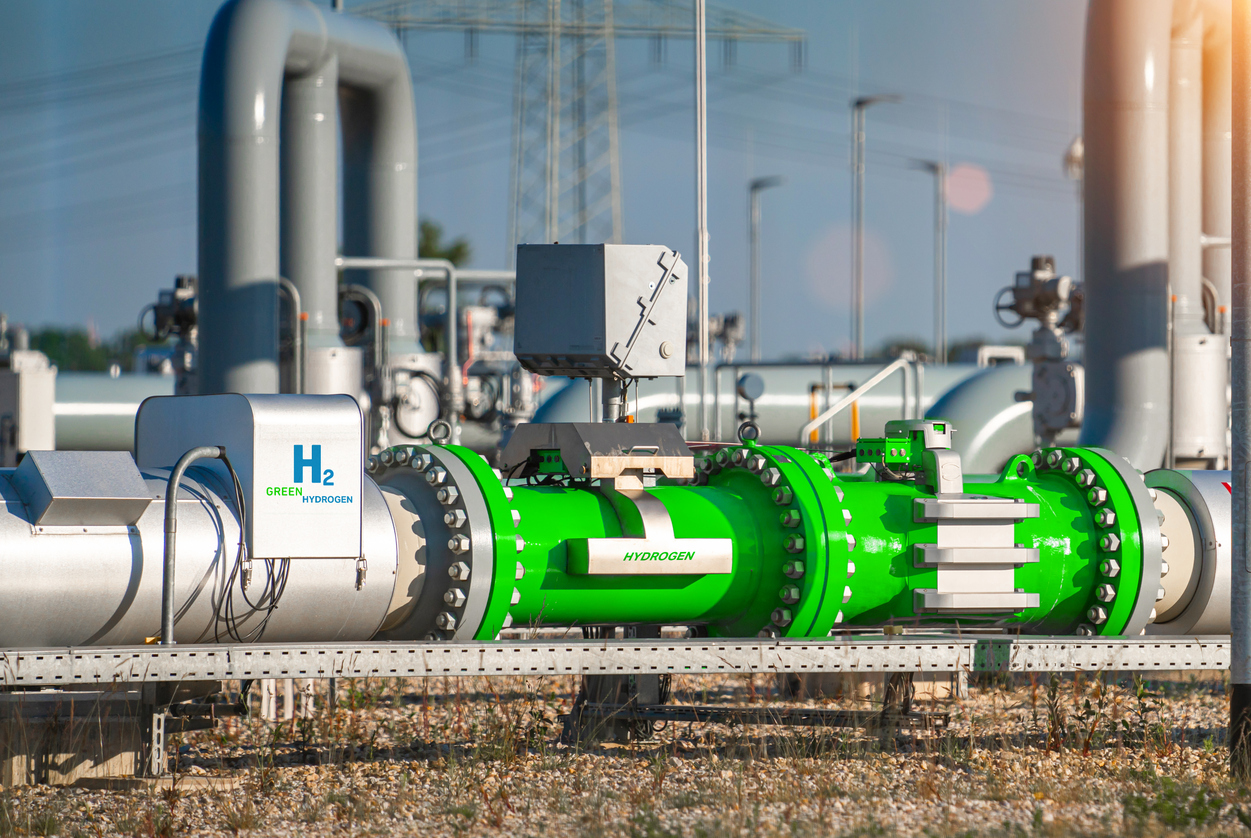
Hydrogen production water treatment

At Mueller Water, we offer advanced water treatment solutions, including reverse osmosis, ion exchange, and filtration, to remove these impurities and ensure optimal operation. By maintaining high water quality, our systems enhance process efficiency, prolong equipment lifespan, and ensure consistent hydrogen production. This not only improves product quality but also reduces maintenance costs and downtime.

Moreover, water plays a vital role as a source of hydrogen atoms in electrolysis, the most common hydrogen production method. It is also used in other methods, such as steam methane reforming and coal gasification, where it acts as a reactant to generate hydrogen. Proper water treatment contributes to the sustainability and environmental impact of hydrogen production, making it essential for achieving cleaner energy solutions.

Neglecting water treatment can result in detrimental effects, such as scale formation, catalyst poisoning, and bacterial contamination, which can compromise safety and equipment integrity. Therefore, ensuring water purity through comprehensive treatment is essential for safe, efficient, and high-quality hydrogen production.

Contact Us Today

Partner with Mueller Water to optimize your hydrogen production processes. Our water treatment solutions are tailored to meet your specific needs, ensuring the highest standards of efficiency, reliability, and sustainability. Reach out to us today to learn how we can help you achieve your hydrogen production goals.

Frequently Asked Questions

Why is water purity critical in hydrogen production?
Water is both the feedstock and the cooling medium in most hydrogen production methods. In electrolysis, impurities like dissolved minerals foul electrodes, reduce electrolyte conductivity, and accelerate membrane degradation in PEM systems. In steam methane reforming (SMR), water hardness causes scale on the catalyst bed, accelerating poisoning and reducing reformation efficiency. Even trace contaminants compound rapidly because hydrogen production typically operates at high temperatures and pressures where small problems become big problems quickly.
What water purity is required for green hydrogen via electrolysis?
Standards vary by electrolyzer technology. PEM electrolyzers require ultra-pure water — typically 1–10 megohm-cm resistivity (essentially deionized), with conductivity under 1 μS/cm and TOC below 30 ppb. Alkaline electrolyzers are slightly more tolerant but still need RO-quality water. Solid oxide electrolyzers (SOEC) at high temperatures require demineralized water with very low silica. Production-scale facilities typically combine RO, EDI, and mixed-bed polishing to achieve the required purity.
What treatment train is typical for a hydrogen production facility?
A standard configuration: multi-media filtration for incoming sediment, activated carbon for chlorine, water softening for hardness reduction, two-pass reverse osmosis for primary demineralization, continuous electrodeionization (EDI) for polishing, and mixed-bed deionization for the final approach to ultra-pure quality. UV systems for TOC reduction are added when feedwater has organic matter. Cooling-water systems for the H2 production equipment use a separate, less stringent treatment train.
How much water does hydrogen production require?
For green hydrogen via electrolysis, the theoretical minimum is about 9 kg of water per kg of hydrogen. Real-world consumption (including cooling, deionization losses, and process water) is typically 20–40 kg of water per kg of hydrogen. A 100 MW green hydrogen plant therefore consumes 100,000–200,000+ gallons of treated water per day. This is significant in water-scarce regions, which is driving interest in seawater-fed electrolysis and water-recycling integrations to reduce freshwater demand.
Contact Us