Marine | Advanced Water Treatment Solutions
Reliable Water Treatment for Marine Applications
Access to clean, purified water is essential for marine environments, where freshwater sources are limited and seawater desalination is often required. Ships, offshore platforms, and maritime industries depend on high-efficiency water treatment systems to provide potable water, support onboard operations, and ensure environmental compliance.
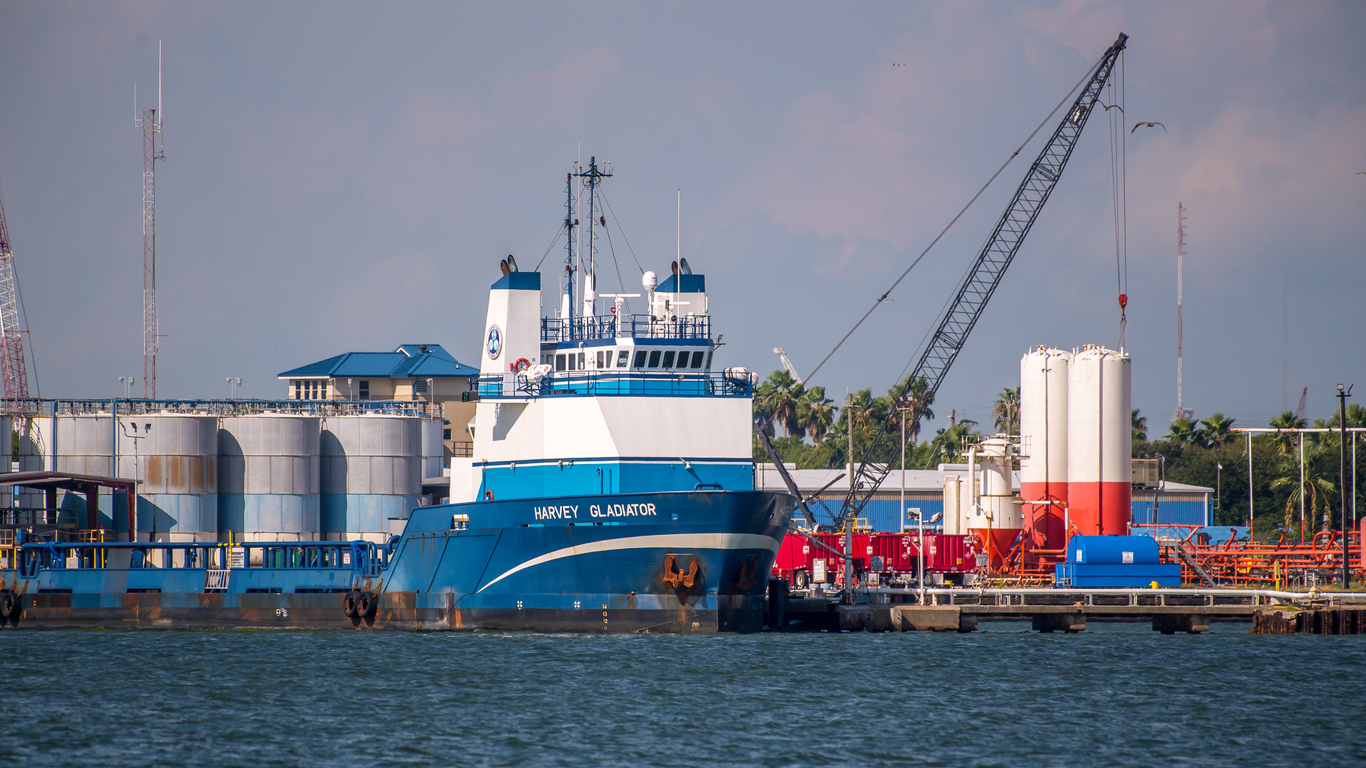
At Mueller Water, we specialize in marine-grade water purification solutions, including reverse osmosis desalination, ultrafiltration, and water conditioning technologies. Our systems deliver high-quality freshwater while reducing scaling, corrosion, and biofouling, ensuring operational efficiency and regulatory compliance in maritime applications.
Importance of Water Treatment in Marine Applications
Freshwater is a limited and valuable resource at sea. Without proper treatment, ships and offshore facilities face:
- Reliance on expensive freshwater resupply from port facilities.
- Corrosion and scaling in engines, boilers, and cooling systems due to high salt content.
- Biofouling and bacterial growth in potable water storage tanks.
- Regulatory challenges for wastewater discharge and environmental protection.
With advanced water treatment technologies, marine vessels and offshore operations can produce high-quality freshwater, reduce maintenance costs, and comply with maritime regulations.
Water Treatment Technologies for Marine Applications
Mueller Water offers cutting-edge water treatment systems tailored for ships, offshore rigs, and marine operations:
1. Reverse Osmosis (RO) Seawater Desalination
- Converts seawater into potable water using high-pressure membranes.
- Removes salt, bacteria, and contaminants, ensuring compliance with drinking water standards.
- Example: A commercial fishing vessel in the Gulf of Mexico installed an RO desalination system, reducing freshwater resupply costs by 50% and increasing operational autonomy.
2. Ultrafiltration (UF) & Media Filtration
- Removes sediments, silt, and biological contaminants from seawater and onboard freshwater storage.
- Enhances pre-treatment for reverse osmosis systems, extending membrane lifespan.
- Example: A luxury cruise ship installed ultrafiltration pre-treatment, reducing RO membrane replacement costs by 40%.
3. UV Water Sterilization & Disinfection
- Uses ultraviolet light to neutralize bacteria, viruses, and pathogens in potable water.
- Provides chemical-free disinfection, preventing biofouling in storage tanks and distribution lines.
- Example: A naval vessel installed UV disinfection, ensuring pathogen-free water supply for crew members.
4. Water Softening & Anti-Scaling Solutions
- Prevents hard water scale buildup in boilers, heat exchangers, and cooling systems.
- Extends the lifespan of marine engines, desalination units, and onboard piping.
- Example: An offshore oil rig used a water softening system, reducing heat exchanger scaling by 70%, minimizing downtime.
5. Wastewater & Bilge Water Treatment Systems
- Treats greywater and bilge water to meet IMO and MARPOL discharge regulations.
- Prevents pollution and ensures compliance with environmental laws.
- Example: A cargo vessel installed a bilge water treatment system, achieving full compliance with MARPOL Annex I regulations.
Benefits of Water Treatment in Marine Environments
1. Reduced Dependence on Shore-Based Freshwater Supplies
- Onboard desalination systems eliminate the need for costly freshwater resupply.
- Ensures continuous water availability for drinking, cooking, and operations.
2. Corrosion & Scaling Prevention in Ship Systems
- High-quality water reduces damage to boilers, cooling towers, and onboard plumbing.
- Extends the lifespan of ship equipment, lowering maintenance costs.
3. Compliance with Maritime Regulations
- Ensures adherence to IMO, USCG, and MARPOL water discharge and purification standards.
- Prevents environmental violations and costly fines.
4. Improved Crew & Passenger Health
- Provides safe, contaminant-free drinking water for ship personnel and guests.
- Reduces the risk of waterborne diseases and bacterial outbreaks.
Maritime Water Softener Systems
A maritime water softener protects a vessel’s most expensive systems from hard-water scale. Even after desalination — and especially when topping up with hard port water — residual hardness deposits on boiler tubes, heat-exchanger plates, and RO membranes, cutting efficiency and forcing early replacement. Mueller Water builds compact, corrosion-resistant water softeners for ships, offshore platforms, and port facilities, sized to the vessel’s flow and the salinity of its makeup water and built to tolerate the vibration and motion of a marine environment.
The Risks of Untreated Water in Marine Applications
Without proper water treatment, marine vessels and offshore operations face:
- Saltwater Corrosion – Seawater contaminants accelerate metal degradation, rust, and equipment failure.
- Biofouling in Water Tanks – Bacteria and algae growth contaminate drinking water supplies and distribution lines.
- High Maintenance Costs – Scale buildup and sediment deposits reduce efficiency in engines, boilers, and RO membranes.
- Regulatory Non-Compliance – Untreated wastewater discharge violates environmental laws, leading to fines and operational restrictions.
Case Study: Reverse Osmosis Desalination on a Cruise Ship
The Problem:
A cruise liner operating in the Caribbean faced high freshwater resupply costs and frequent corrosion issues in its cooling systems due to poor water quality.
The Solution:
The vessel installed a custom-designed reverse osmosis (RO) desalination system with:
- Pre-treatment filtration to remove silt and organic debris.
- High-pressure RO membranes to convert seawater into potable water.
- Post-treatment remineralization to optimize water quality for drinking and cooking.
The Results:
- Eliminated dependency on freshwater resupply, reducing operational costs.
- Improved cooling system efficiency, preventing scale and corrosion damage.
- Ensured high-quality potable water for passengers and crew, enhancing onboard safety.
Contact Mueller Water for Marine Water Treatment Solutions
Marine vessels, offshore platforms, and maritime industries require specialized water treatment systems to ensure clean, reliable, and regulatory-compliant water. At Mueller Water, we provide custom-engineered desalination, filtration, and wastewater treatment solutions for the marine industry.
Why Choose Mueller Water?
- High-efficiency desalination & water purification technologies.
- Reliable solutions for potable water, cooling systems, and wastewater management.
- Proven expertise in maritime water treatment compliance.
Contact Mueller Water today to optimize your marine water treatment system and improve operational efficiency at sea!